
Ethical Dolphin Encounters: What to Expect on Oahu and Big Island Swim Tours
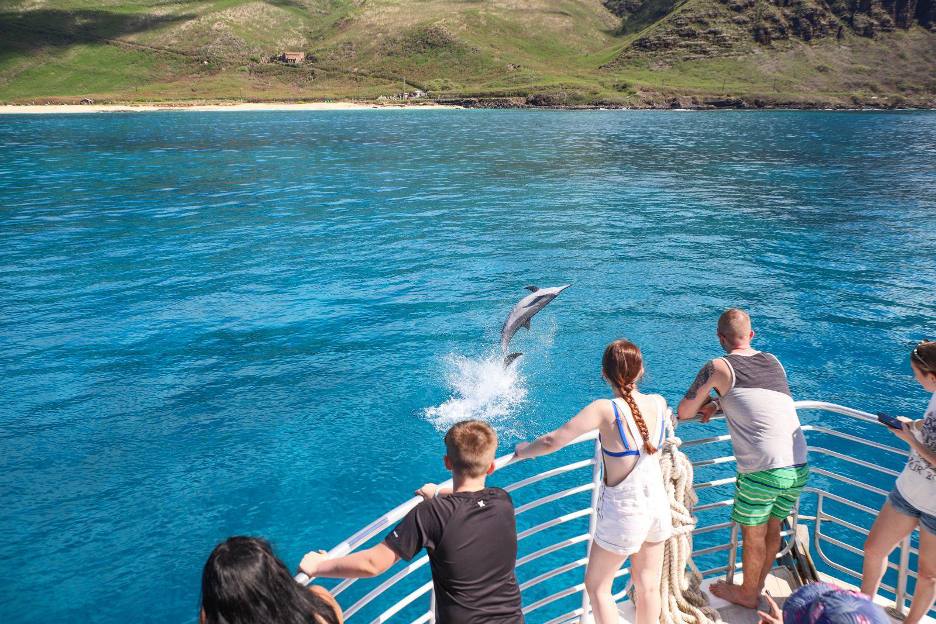
Seeing wild spinner dolphins in Hawaiian waters is one of the most memorable experiences available to visitors. At the same time, these animals are protected by federal law, and the rules changed significantly in 2021. Understanding the regulations helps you choose tours that respect the animals and stay on the right side of the law.
Hawaiian spinner dolphins rest in nearshore bays during the day after feeding offshore at night. Repeated disturbance during those rest periods was linked to stress and population concerns. In response, NOAA Fisheries finalized a rule that prohibits swimming with, approaching, or remaining within 50 yards of Hawaiian spinner dolphins in waters within two nautical miles of the main Hawaiian Islands. The rule applies to people, vessels, kayaks, paddleboards, and drones.
This means most traditional “swim with wild dolphins” experiences that once operated in resting bays are no longer legal. Responsible operators shifted to boat-based viewing from a respectful distance or focus on other marine life activities such as reef snorkeling.
What the Current Rules Mean for Visitors
- You may not swim toward or remain within 50 yards of spinner dolphins in the regulated nearshore areas.
- Boats must also maintain that distance and avoid chasing, herding, or placing themselves in the path of a pod.
- If dolphins approach a vessel on their own, the boat may continue normal navigation without engaging or pursuing them.
- Other dolphin species and marine mammals have their own recommended or required distances (for example, 100 yards for humpback whales).
Fines for violations can range from hundreds to thousands of dollars. Choosing an operator that clearly states compliance with NOAA guidelines is the safest approach for both you and the animals.
Ethical Options on Oahu
On Oahu, the west (Waianae) coast is one of the more reliable areas for spinner dolphin sightings. Many current tours emphasize boat-based watching rather than in-water swimming with the dolphins.
Typical ethical experiences include:
- Morning departures that increase the chance of seeing active pods.
- Observation from the boat while maintaining the required distance.
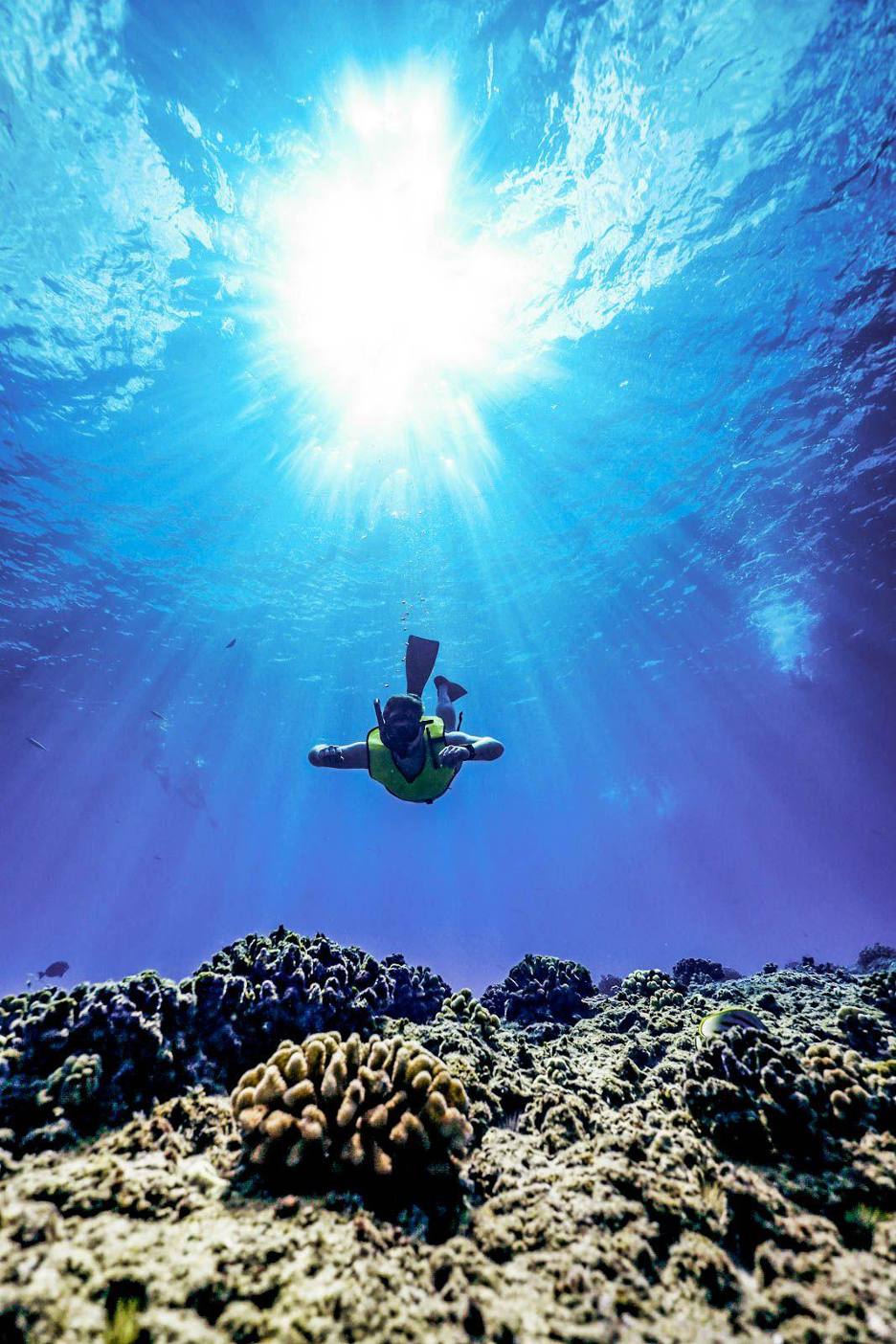
- A separate stop for reef snorkeling with turtles and fish once the dolphin viewing portion is complete.
- Small to medium group sizes and naturalist or captain commentary on dolphin behavior and protection rules.
LeaLea Tours offers several West Oahu dolphin watch and snorkel options, including catamaran sails that depart from Waianae Harbor or Ko Olina and include dolphin viewing with lunch or drinks. These itineraries focus on watching rather than swimming with the animals.
Captive dolphin programs, such as those at Sea Life Park, remain legal and allow closer, structured encounters under controlled conditions. These are a different experience from wild viewing and come with their own considerations regarding animal welfare.
Ethical Options on the Big Island
The Kona Coast has long been known for spinner dolphin activity in sheltered bays. Under the current NOAA rule, swimming with wild spinner dolphins in those nearshore resting areas is prohibited.
Legal and responsible alternatives include:
- Morning snorkel and sail tours that watch for dolphins from the boat while traveling between snorkel sites.
- Catamaran or powerboat trips that combine coastal scenery, possible dolphin sightings, and reef snorkeling.
- Captive encounter programs such as Dolphin Quest at resort locations.
LeaLea Tours lists several Big Island ocean activities, including morning sails and snorkel tours that note the possibility of seeing dolphins and other marine life while following current viewing guidelines. These experiences prioritize observation over direct interaction in the water.
What a Typical Ethical Tour Looks Like
| Aspect | What to Expect |
|---|---|
| Departure | Usually early morning for better wildlife odds and calmer conditions |
| Dolphin segment | Boat-based viewing at legal distance; no swimming toward pods |
| Snorkel segment | Separate stop at a reef or bay focused on fish, turtles, or coral |
| Group size | Varies; smaller boats often offer more personal viewing |
| Briefing | Safety and wildlife rules explained before departure |
| Wildlife guarantee | Sightings are common but never 100% certain with wild animals |
Tours generally last 3–5 hours. Bring reef-safe sunscreen, a towel, a light jacket for the boat ride, and a waterproof camera if you want photos from a distance. Touching or feeding any wild marine mammal is illegal.
How to Choose a Responsible Operator
Ask these questions before booking:
- Does the tour follow the 2021 NOAA spinner dolphin rule?
- Is swimming with wild spinner dolphins part of the itinerary, or is viewing done from the boat?
- Does the operator provide a clear wildlife briefing?
- Are sightings described as possible rather than guaranteed in a way that pressures the animals?
Transparent operators will answer directly and explain how they maintain distance. Marketing language that still promises close in-water encounters with wild spinner dolphins in nearshore waters is a red flag under current regulations.
Combining Dolphin Viewing with Other LeaLea Tours Experiences
On Oahu, a West Oahu dolphin watch can pair well with a later afternoon activity or a full-day circle island itinerary. On the Big Island, morning snorkel and dolphin-watch sails fit easily before afternoon volcano or stargazing tours. LeaLea Tours also offers Sea Life Park admission and structured dolphin encounters for visitors who prefer a captive setting.
Frequently Asked Questions
Is it still legal to swim with wild dolphins in Hawaii?
No. Federal rules prohibit swimming with, approaching, or remaining within 50 yards of Hawaiian spinner dolphins in the regulated nearshore waters of the main Hawaiian Islands.
What is the main difference between ethical and non-compliant tours?
Ethical tours maintain the required distance and do not place swimmers in the water near resting pods. Non-compliant marketing may still promise close in-water encounters that violate the 2021 rule.
Are dolphin sightings guaranteed?
No. Wild animals move freely. Many operators report high success rates on morning trips, but weather, sea conditions, and animal behavior affect every outing.
Can children participate?
Most boat-based viewing tours welcome families. Age and swimming requirements vary for any snorkel portion. Captive encounter programs usually have minimum age rules.
What should I bring?
Reef-safe sunscreen, towel, light cover-up, hat, and a waterproof camera or phone case. Motion sickness medication is useful for some guests on boat trips.
Do LeaLea Tours offerings follow the current rules?
The dolphin watch and snorkel tours listed through LeaLea Tours emphasize boat-based viewing and marine life observation in line with current NOAA guidelines. Always confirm the specific itinerary details at booking.
Ready for a Responsible Ocean Experience?
Choose tours that respect Hawaii’s marine life and follow current federal guidelines. Browse West Oahu dolphin watch and snorkel options or Big Island morning sails through LeaLea Tours. You can also explore Sea Life Park encounters if a controlled setting is a better fit for your group.
Visit lealeatours.com to check real-time availability, read current tour details, or call our team at 808-218-6125 (open daily 8 AM–5 PM HST). Book a responsible encounter and enjoy Hawaii’s ocean wildlife the right way.