
Haleakalā Sunrises vs. Sunsets: Which Maui Crater Experience is Right for You?
High above the clouds on the island of Maui, Haleakalā rises in silent majesty. Meaning “House of the Sun” in Hawaiian, this ancient volcanic summit feels more like another world than a tropical destination. Standing at 10,023 feet above sea level, its massive crater—more than seven miles across—is an awe-inspiring landscape sculpted by erosion and filled with cinder cones and ash fields.
Experiencing the shifting light at the summit of Haleakalā is an absolute must-do for any Maui vacation. The high elevation provides a vantage point where you literally look down upon the cloud layer, watching the sky ignite in brilliant colors.
However, visitors constantly face a major dilemma: Should you wake up at 2:30 AM to catch the legendary sunrise, or should you sleep in and opt for the dramatic sunset and stargazing? Both times of day offer spectacular, otherworldly beauty, but the logistics and overall vibes are incredibly different. This guide breaks down the pros, cons, and essential details of both experiences so you can choose the perfect adventure for your group.
The Legendary Haleakalā Sunrise
The sunrise at Haleakalā is one of the most iconic experiences in all of Hawaii. It holds deep cultural significance. According to Hawaiian legend, the demigod Māui lassoed the sun from this very peak to slow its journey across the sky and lengthen the day.
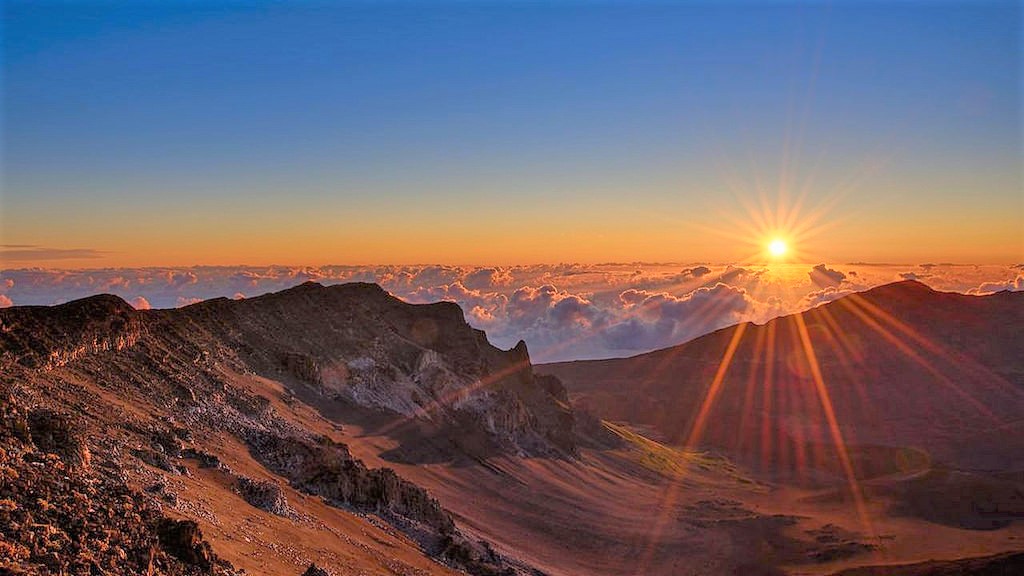
Watching the sunrise from above the clouds at 10,023 feet is an iconic and deeply spiritual Maui experience. Source: Haleakala Eco Tours; Classic Haleakala Sunrise Tour
In the early morning darkness, visitors gather at the summit wrapped in heavy jackets and blankets. As the first rays of light break through the horizon, the entire crater ignites in hues of pink, purple, orange, and gold. The sheer scale of the landscape emerging from the darkness is breathtaking.
The Pros of Sunrise:
- The Spiritual Atmosphere: There is an undeniable collective energy as hundreds of people stand in silent reverence watching the new day begin.
- Crisp Visibility: The morning air is typically the clearest time of day, offering unobstructed views across the crater and often all the way to the neighboring islands of the Big Island, Lanai, and Molokai.
- Frees Up Your Day: You will be back at your resort in time for a late breakfast, leaving your entire afternoon open for the beach or snorkeling.
The Cons of Sunrise:
- The Alpine Wake-Up Call: Depending on where you are staying, you need to be on the road between 2:30 AM and 3:30 AM to make the drive.
- The Bitter Cold: Temperatures at the summit before dawn frequently drop below freezing when factoring in wind chill. It is startlingly cold for Hawaii.
- Strict Reservations Required: Due to massive popularity, the National Park Service requires advance reservations for personal vehicles entering the park between 3:00 AM and 7:00 AM. These tickets sell out months in advance within minutes of being released.
The Serene Haleakalā Sunset
While the sunrise gets the majority of the fame, the sunset at Haleakalā is the local secret. As the day ends, the sun dips below the cloud line, painting the sky with fiery reds and deep purples. The sunlight hits the cinder cones inside the crater from a different angle, casting long, dramatic shadows that highlight the surreal, Martian-like terrain.
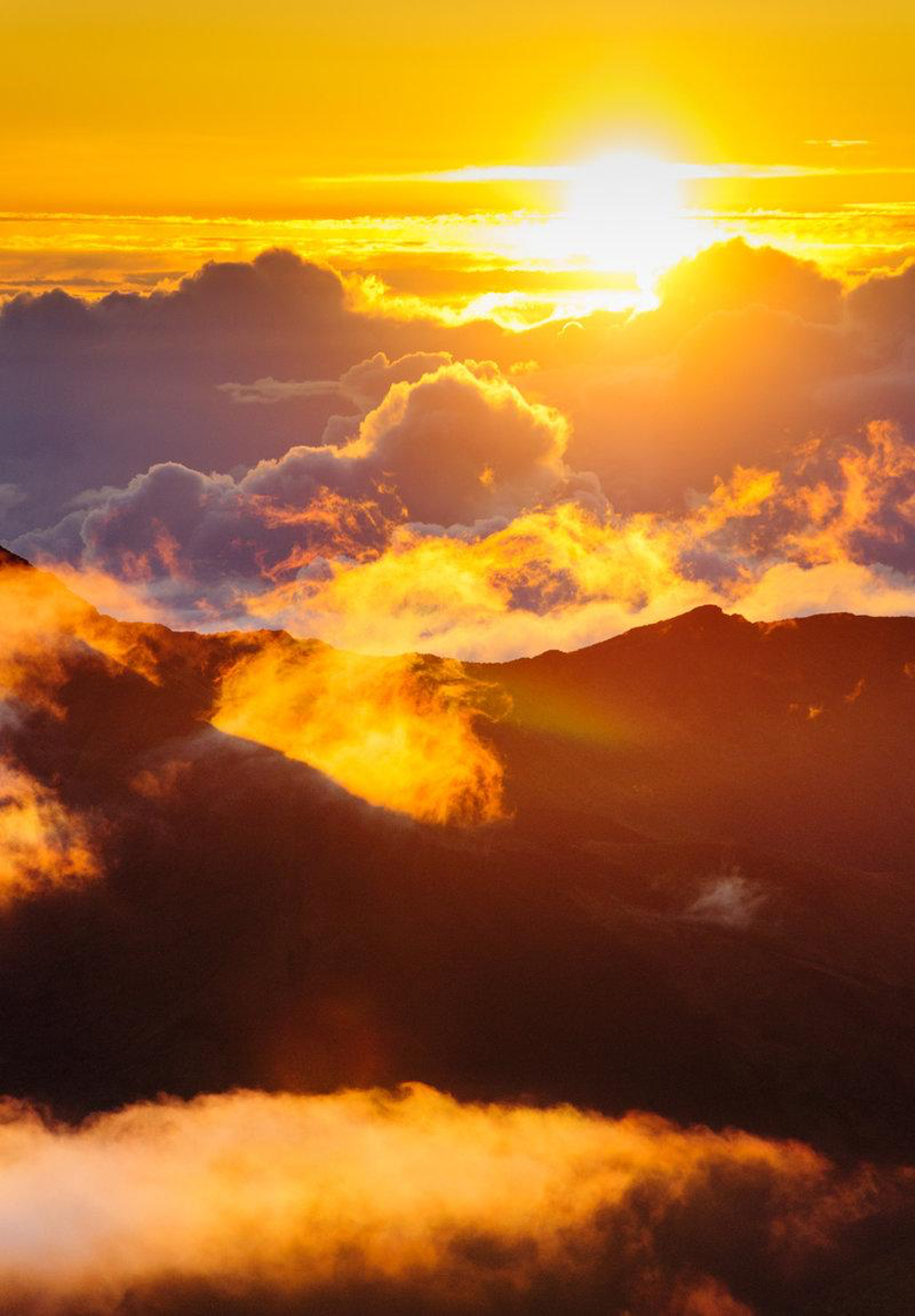
The sunset offers a quieter, highly romantic experience without the brutal early morning wake-up call. Source: Haleakala Eco Tours; Classic Haleakala Sunset Tour
The Pros of Sunset:
- No Reservations Needed: You do not have to fight the federal reservation system. You can simply pay the standard park entrance fee at the gate.
- You Get to Sleep In: You can enjoy a full day at the beach or the pool and comfortably head up the mountain in the late afternoon.
- Smaller Crowds: The summit is significantly less crowded in the evening, providing a quieter and more intimate experience.
- World-Class Stargazing: Once the sun goes down, Haleakalā transforms into one of the premier stargazing locations on the planet. With minimal light pollution, the Milky Way stretches overhead with breathtaking brilliance.
The Cons of Sunset:
- Cloud Cover Risks: By late afternoon, the trade winds can push heavy clouds up the mountain, sometimes obscuring the crater views before sunset.
- Driving Down in the Dark: The 37-mile drive back down the winding volcano road occurs in pitch blackness, which can be intimidating for tired drivers.
Flora, Fauna, and the Surreal Landscape
Regardless of which time of day you visit, you must take a moment to appreciate the unique ecology of the park. Haleakalā National Park encompasses more than 30,000 acres of protected wilderness.
As you explore near the visitor center, look for the ʻāhinahina, or Haleakalā silversword. This shimmering, metallic-looking plant grows nowhere else on Earth. It can live for up to 90 years, blooms exactly once with a massive stalk of maroon flowers, and then dies. You may also spot the Nēnē, the endangered Hawaiian goose and the state bird of Hawaii, wandering near the rocky outcroppings.
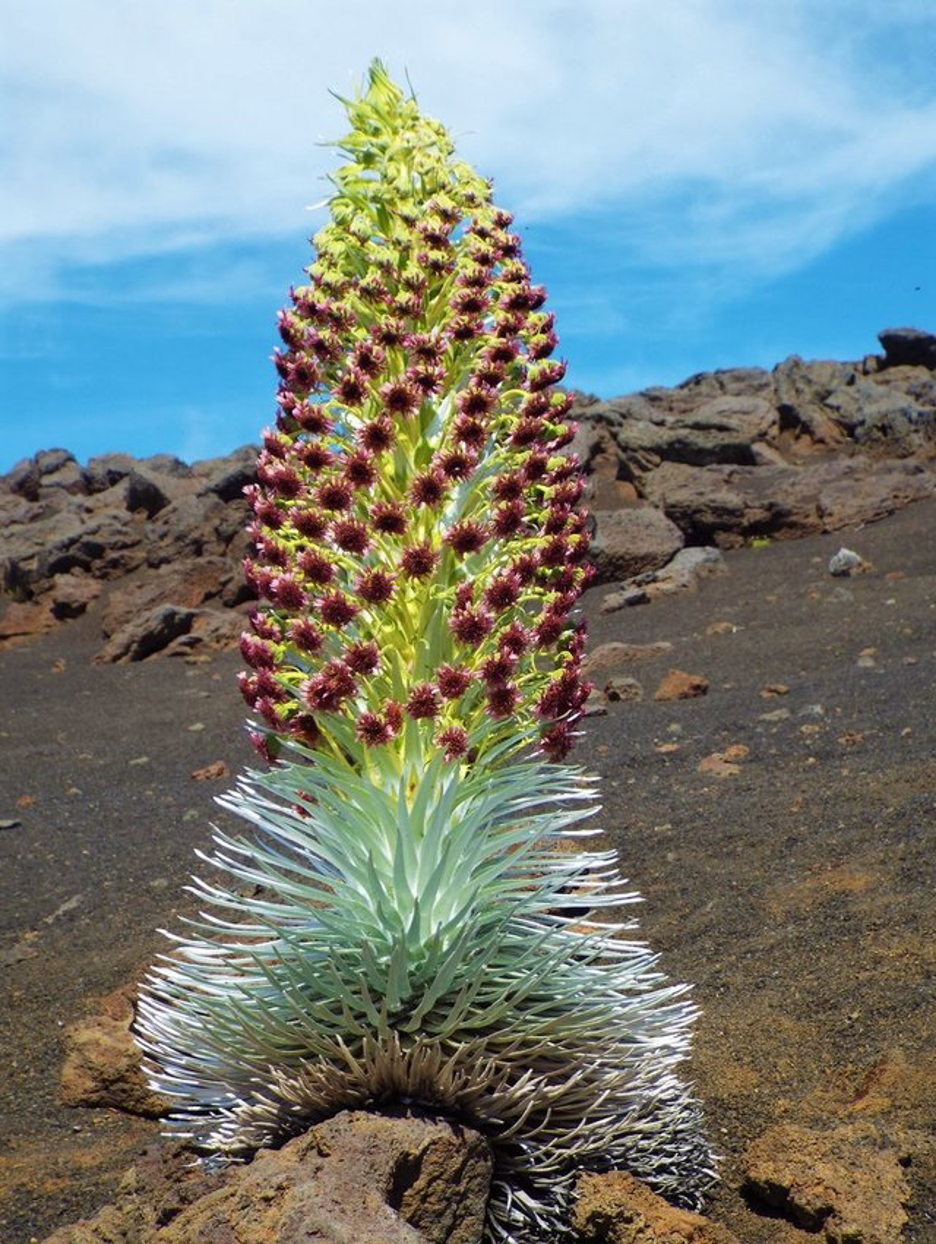
The rare Haleakalā silversword plant exists nowhere else on Earth and thrives in the harsh alpine environment.. Source: Haleakala Eco Tours
The Logistics of the Drive
The road to the summit of Haleakalā is an engineering marvel, but it is not for the faint of heart. The drive takes approximately 1.5 to 2 hours from most major resort areas in Lahaina, Kaanapali, or Wailea.
You will navigate dozens of blind switchbacks and steep inclines as you ascend from sea level to 10,000 feet. Doing this drive at 3:00 AM while heavily fatigued, or driving back down in the pitch black after sunset, creates a massive amount of stress for the designated driver. The driver spends their time gripping the steering wheel instead of enjoying the sweeping views of upcountry Maui.
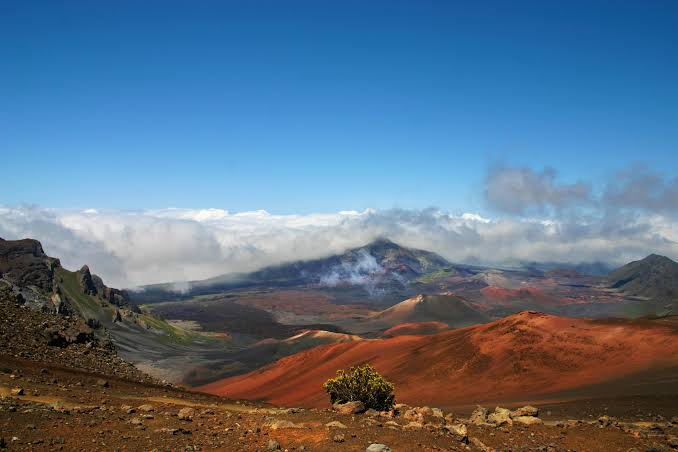
The crater is over seven miles wide and 2,600 feet deep, creating an otherworldly, Martian-like landscape.. Source: Maui Guidebook
The absolute best way to experience Haleakalā is to let a professional handle the navigation. Booking a guided tour removes the stress of driving, eliminates the need to fight for the elusive National Park sunrise reservations, and provides you with an expert guide who can explain the deep cultural history and geology of the volcano.
Final Thoughts: Which is Better?
There is no wrong choice, only the choice that best fits your vacation style.
If you are an early riser, if you want the classic iconic Maui photo, and if you want the rest of your day free to hit the beach, you must experience the Haleakalā Sunrise.
If you value your sleep, prefer smaller crowds, and want to experience world-class astronomy under a blanket of stars, the Haleakalā Sunset is your perfect match.
Secure Your Volcano Experience
Do not leave your Haleakalā experience to chance or fight the stressful online reservation system. Let our certified local guides handle the driving, the tickets, and the timelines so you can focus entirely on the majesty of the mountain.
If you want the classic early morning experience, book your seats on our highly popular Classic Haleakala Sunrise Tour.
If you prefer to sleep in and combine your summit views with a fantastic local meal, explore our highly rated Haleakala Sunset Tour with Dinner to experience the breathtaking colors of golden hour before watching the stars emerge above the clouds.