
Retracing Hawaiian Royalty: An Afternoon on the Trolley Malama Line
When most travelers plan their afternoons on Oahu, they picture the bustling surf shops of Kalakaua Avenue or the commercial storefronts of luxury shopping centers. But just a few miles away from the modern resort skyscrapers lies the historic heart of the Hawaiian Kingdom—a district rich with royal heritage, sacred architecture, and tales of sovereign rule.
Stepping off the beach and into downtown Honolulu offers a look into a fascinating era. Here, monumental brick structures and golden statues stand as enduring symbols of Hawaiian independence and cultural pride.
However, trying to navigate downtown’s tight traffic patterns, confusing one-way streets, and expensive public parking meters can quickly take the joy out of a historic day trip. This insider’s travel guide explores the legacy of Hawaiian royalty and shows how the open-air Malama Line on the LeaLea Trolley system acts as your stress-free vehicle for cultural discovery.
The Historic Core of the Hawaiian Kingdom
To truly appreciate the monuments of Honolulu, you have to understand the ground you are walking on. Long before Hawaii became the 50th state of the United States, it was a recognized global sovereign power with deep international diplomatic ties, treaties, and an elegant royal court.
The downtown historic capital district serves as the physical anchor for this legacy. Within just a few square blocks, you can walk among sites that housed the last ruling monarchs of the islands, including King Kalakaua (known popularly as “The Merrie Monarch”) and his brilliant sister and successor, Queen Liliuokalani.
Must-Visit Royal Sights Along the Route
The transit loop is carefully designed to drop you directly in front of the island’s most sacred and historically significant landmarks. Here are the absolute highlights you cannot miss during your afternoon out:
1. Iolani Palace: A Symbol of Independent Sovereignty
Completed in 1882 under the direction of King Kalakaua, Iolani Palace is a stunning National Historic Landmark and stands proudly as the only official royal palace on United States soil. Influenced heavily by the grand estates the King observed during his historic travels through Europe, this American Florentine-style palace was a marvel of modern engineering for its time.
In fact, it featured Hawaii’s very first electric light system, flush indoor plumbing facilities, and intra-house telephone lines well before the White House in Washington, D.C. secured the same technologies.
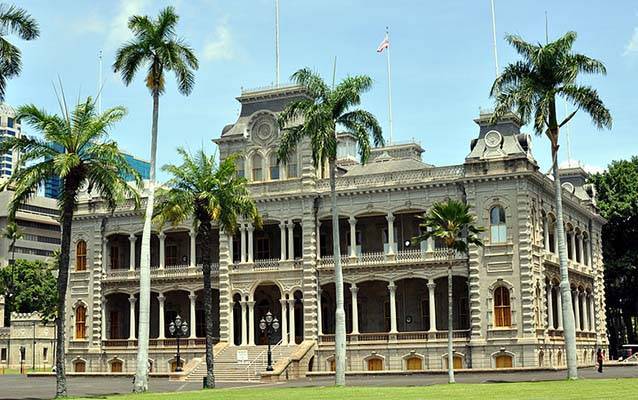
The historic Iolani Palace, the only official royal residence on United States soil. Source: National Park Service – Iolani Palace, Honolulu, Hawai’i
When touring the fully restored interior rooms, you can view the beautiful koa wood grand staircase, dramatic portraits of the ten ruling monarchs, and the formal Throne Room used for grand diplomatic balls. The upper floors also house the private living quarters of the royal family and the poignant room where Queen Liliuokalani was held under house arrest following the tragic overthrow of the monarchy in 1893.
2. Aliiolani Hale & The King Kamehameha I Statue: The Judiciary Center
Located directly across the street from the palace grounds stands Aliiolani Hale, a majestic coral-block structure designed in the late 19th century. While its grand architecture mirrors a royal residence, it was built exclusively to serve as the palace of government for the kingdom. Today, the building houses the active Hawaii State Supreme Court and a fascinating judiciary history center that is completely free to visit.
Standing proudly in the exterior courtyard is the gold-leafed bronze King Kamehameha I Statue. This iconic monument honors the legendary warrior king who successfully united the separate Hawaiian islands under a single rule in 1810. It is a vital photo stop for travelers and a lasting point of cultural reverence.
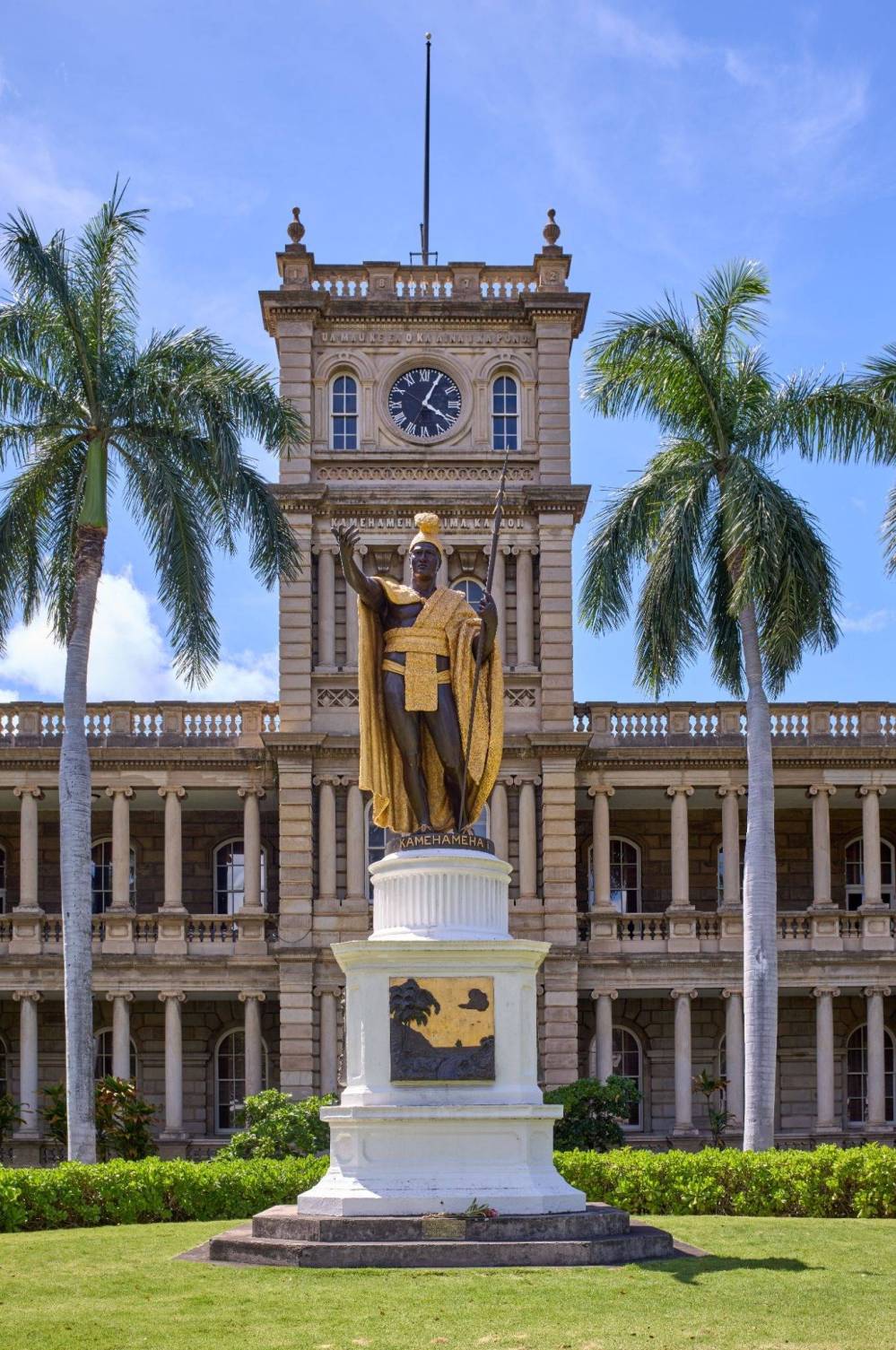
Source: Wikipedia
3. The Bishop Museum: Keeping Cultural Heritage Alive
Founded in 1889 in honor of Princess Bernice Pauahi Bishop (the last direct descendant of the royal Kamehameha family), the Bishop Museum is the premier natural and cultural history archive of the Pacific. The museum’s towering, dark-stone Hawaiian Hall houses the world’s largest collection of native Hawaiian artifacts, royal feather cloaks (ahu’ula), and traditional weapons. It is an essential stop for anyone looking to truly understand the soul of the islands.
Strategic Cultural Stop Overview
| Historic Stop | Primary Sights to See | Suggested Exploration Time |
|---|---|---|
| Honolulu Museum of Art (HoMA) | Global art galleries, gorgeous open-air courtyard cafes, local masterworks. | 60 – 90 Minutes |
| Hawaii State Capitol | Unique architectural styling mimicking a volcano, open-air reflection pools. | 30 Minutes |
| Foster Botanical Garden | Towering exceptional trees, historic orchids, peaceful urban green spaces. | 45 – 60 Minutes |
| Bishop Museum | Massive Hawaiian Hall, royal feather cloaks, traditional voyaging canoe history. | 90 – 120 Minutes |
| Iolani Palace & Kamehameha Statue | Grand Throne Room tours, Aliiolani Hale, the historic coronation pavilion. | 60 – 90 Minutes |
The Logistical Challenge of Downtown Traffic
While exploring this historic center is highly rewarding, driving a rental car into downtown Honolulu can quickly turn into a massive headache. The streets surrounding the capital district are packed with dense morning commuter traffic, complex networks of strict one-way avenues, and sudden lane-merging rules that confuse even local drivers.
Worse yet, public vehicle parking is notoriously hard to find. The rare open meters require active credit card tracking, carry strict 2-hour limits that cut your museum tours short, and feature expensive parking violation penalties if your time runs over by even a few minutes.
The Open-Air Solution: The Trolley Malama Line
The smartest way to design your cultural day trip is to let a professional transit team handle the driving. By utilizing the open-air Malama Line on the LeaLea Trolley network, you transform a stressful city commute into a relaxing, panoramic sightseeing tour.
Operating 4 dedicated services daily departing directly from core Waikiki resort hubs, this specialized line is timed perfectly to give you complete freedom to hop off at any historic stop and explore at your own natural pace.
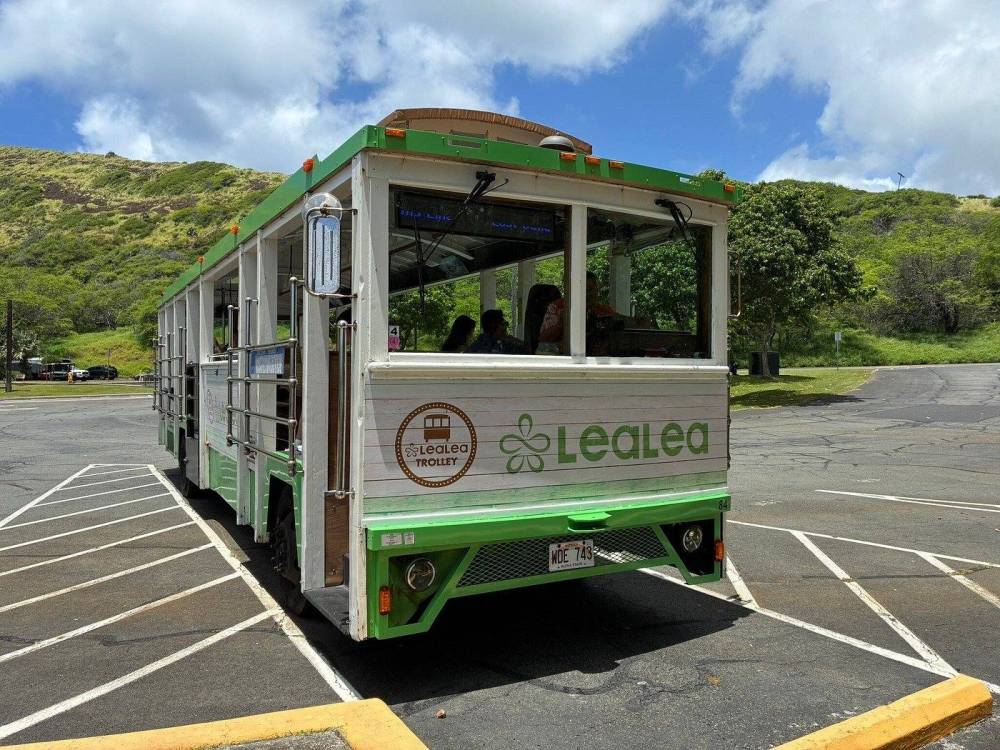
Why the Malama Line is the Ultimate Cultural Choice:
- Direct Drop-Offs at Sacred Gates: Forget walking across massive highway intersections or hunting down commercial parking garages. The trolley delivers you straight to the main entrances of Iolani Palace, the Bishop Museum, and Foster Botanical Garden.
- Built-In Sightseeing Views: Riding on an open-air wooden trolley offers unobstructed, elevated views of downtown’s classic brick facades and towering palm trees, providing exceptional photography opportunities along the way.
- Stress-Free Multi-Stop Coordination: The line connects all five major cultural institutions on Oahu in a single continuous loop. You can easily spend your morning exploring royal artifacts, catch the afternoon breeze at a botanical garden, and head back to your resort strip without ever looking at a map.
Pro-Tips for a Mindful Cultural Visit
To ensure your historic afternoon is as comfortable and respectful as possible, keep these expert tips in mind before boarding the open-air shuttle:
- Dress Appropriately for Sacred Grounds: When visiting historic sites like Iolani Palace or nearby Kawaiahao Church, treat the spaces with the same respect you would show a cathedral or temple. Comfortable, modest resort attire and respectful conduct are highly appreciated.
- Book Palace Entries in Advance: While the trolley pass handles your transportation seamlessly, entry tickets for guided docent or self-guided audio tours inside Iolani Palace sell out early. Reserve your entry times online a few days ahead of your trip.
- Keep Hydrated: Walking around the sunny, open lawns of the capital district can get warm by early afternoon. Keep a cold flask of water in your day pack to stay refreshed between stops.
The Final Verdict
Bypassing the standard beach paths to uncover the true royal history of Honolulu is an experience that adds immense depth to any Hawaiian vacation. It connects you directly to the living culture and proud legacy of the independent nations that shaped these shores.
By skipping the frustrations of rental cars, avoiding city parking fees, and scheduling your day around a convenient multi-line trolley ticket, you keep your vacation focused exactly on what matters most. You save your energy for the museum halls, protect your travel budget, and enjoy a breezy, historic journey through the beautiful heart of old Honolulu.