
Night Sky Alternatives to Mauna Kea: Stargazing Experiences on Every Island
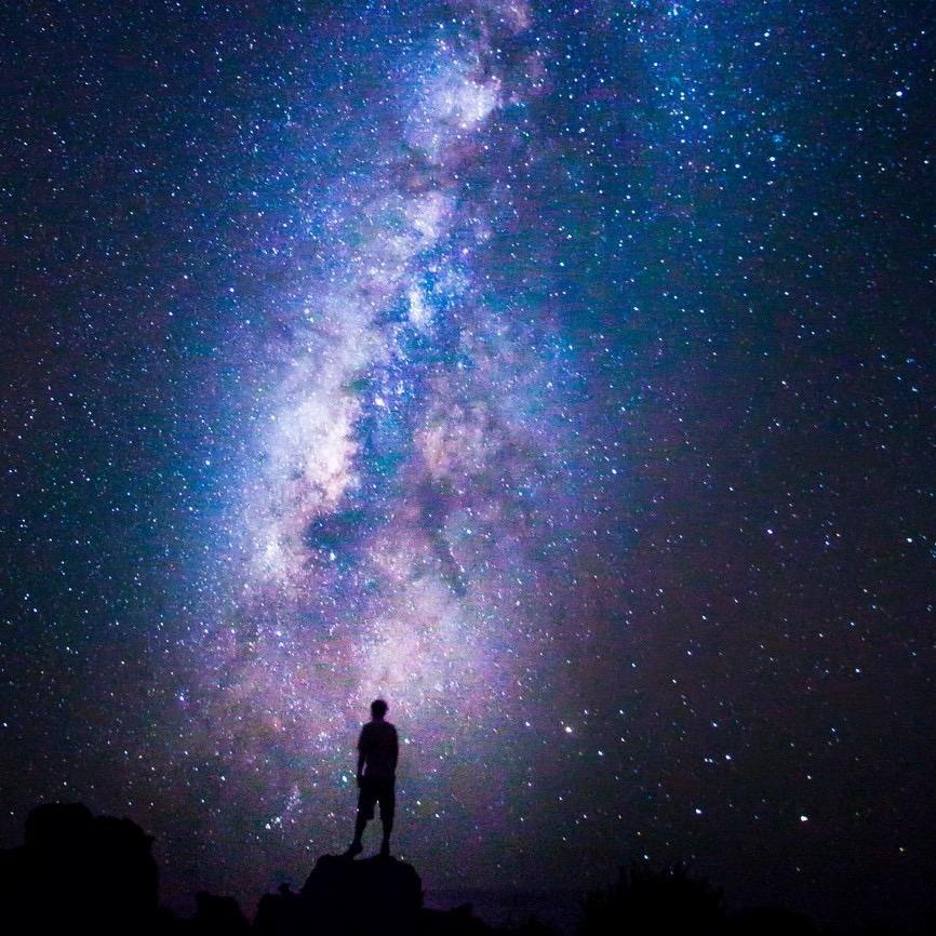
Mauna Kea on the Big Island is widely regarded as one of the finest stargazing sites in the world. Its elevation, dry air, and minimal light pollution attract both professional observatories and guided tours. Not every traveler, however, can or wants to reach the summit. Altitude, cold, vehicle requirements, and schedule constraints lead many visitors to look for strong alternatives on the same island or on Maui, Kauai, and even Oahu.
This guide outlines practical night-sky options across the main islands, from high-elevation alternatives to accessible dark-sky beaches and guided experiences.
Big Island: Options Near and Below the Summit
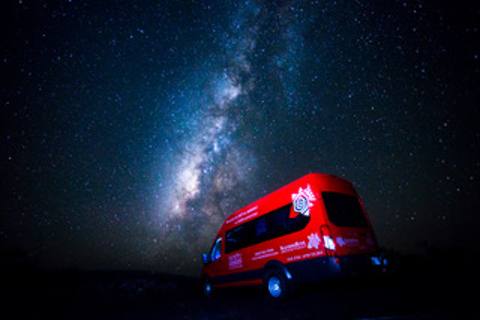
Lower-elevation Mauna Kea experiences
Several guided tours stop at the Visitor Information Station level (around 9,200 feet) rather than continuing to the summit. These trips still deliver dark skies, telescope viewing, and expert narration while avoiding the highest altitude and the roughest stretch of road. They suit families, travelers sensitive to elevation, and anyone who prefers a shorter evening.
Maui: Haleakalā Summit and South Shore Skies
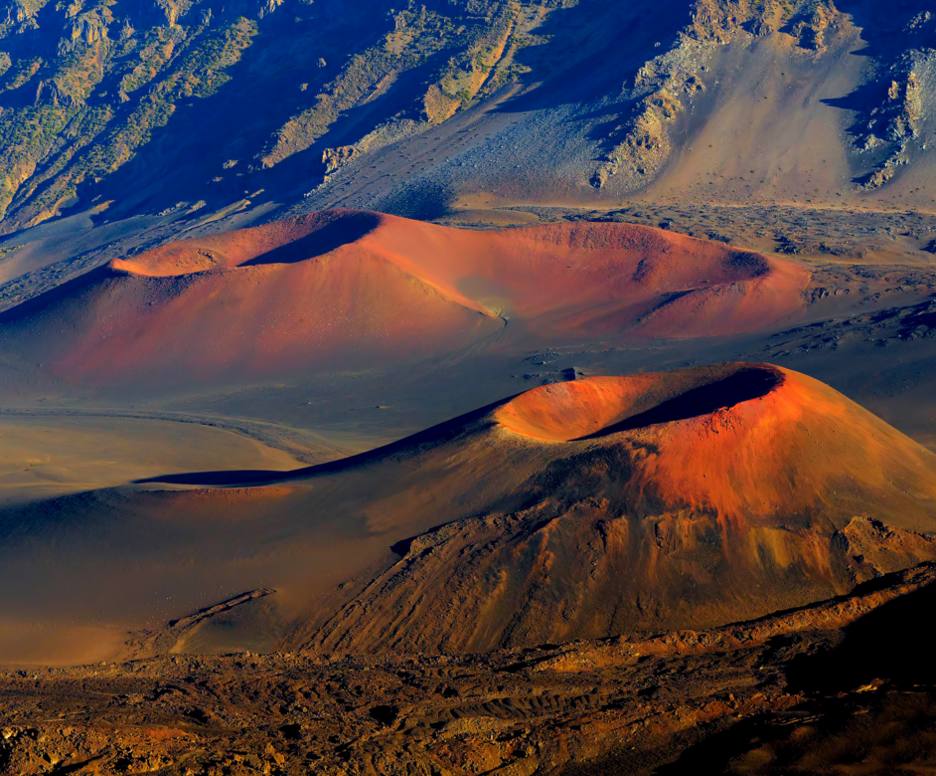
At 10,023 feet, Haleakalā offers excellent high-elevation viewing with a fully paved road accessible to standard rental cars. The summit is colder and windier than sea level, so warm layers are essential. Nighttime access does not require the same sunrise reservation system, though park entry fees apply. Guided or self-drive visits work well for travelers already on Maui who want elevation without crossing to the Big Island.
South Maui beaches
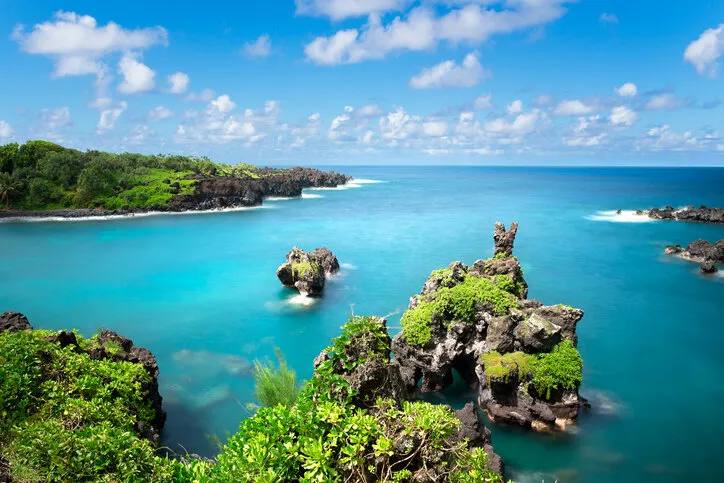
Areas such as Keawakapu Beach in Kihei provide relatively dark horizons over the ocean with minimal nearby light pollution. These spots require no elevation gain and suit travelers who prefer a short walk from lodging.
Kauai: Dark-Sky Beaches and West-Side Viewing
Kauai has less overall development than Oahu or Maui, which benefits casual stargazing. The west side, particularly around Polihale State Park, offers some of the darkest accessible skies in the state. The unpaved access road and remote setting require planning and respect for park rules. Other west- and south-side beach parks with legal nighttime access can also deliver strong views on clear, moonless nights.
Kokee State Park provides modest elevation and paved access for those who want a higher vantage without extreme altitude.
Oahu: Working Around Light Pollution
Honolulu and Waikiki create significant light domes, so the best viewing requires leaving the urban core. Windward and North Shore locations with open ocean horizons and legal after-dark access offer the most realistic options. Expectations should remain modest compared with the Big Island or Maui summits. A clear, moonless night away from town can still reveal far more stars than most mainland city skies.
Comparison of Night-Sky Options
| Location | Elevation / Setting | Access Style | Best For | Notes |
|---|---|---|---|---|
| Mauna Kea summit / VIS | 9,200–13,800 ft | Guided tours preferred | Serious stargazing | Cold, altitude considerations |
| Haleakalā summit | 10,023 ft | Self-drive or guided | Maui visitors seeking elevation | Paved road, park fee |
| Big Island lower sites | Moderate | Guided combinations | Families, altitude-sensitive | Volcano + stars packages |
| Kauai west-side beaches | Sea level | Self | Darkest casual viewing | Remote, check access rules |
| Oahu North / Windward | Sea level | Self | Convenient but limited | Light pollution still present |
Practical Tips for Any Island
- Check the moon phase. A bright moon washes out fainter stars and the Milky Way.
- Dress for cold at elevation. Summit temperatures can drop near or below freezing even when the coast is warm.
- Allow time for eyes to adjust (20–30 minutes in true darkness).
- Use red-light flashlights to preserve night vision.
- Confirm park closing times and access rules before heading to remote beaches or summit areas.
- Guided tours handle transportation, telescopes, and interpretive information, which is especially valuable on Mauna Kea and for first-time visitors.
Finding Guided Night-Sky Experiences with LeaLea Tours
LeaLea Tours offers several Big Island stargazing options centered on Mauna Kea, including summit and lower-elevation packages, solar + night combinations, and twilight volcano pairings. These remain the most structured and reliable way to experience Hawaii’s premier night skies without managing the logistics yourself. Travelers on other islands can use the same platform to explore complementary evening activities while planning a future Big Island stargazing night.
Frequently Asked Questions
Is there a good alternative if I cannot go to the Mauna Kea summit?
Yes. Lower-elevation tours near the Visitor Information Station and combination volcano-and-stargazing itineraries still provide excellent viewing with less altitude stress.
How does Haleakalā compare to Mauna Kea?
Haleakalā offers strong high-elevation skies and easier road access. Mauna Kea generally provides darker, drier conditions and more dedicated astronomy infrastructure.
Can I stargaze successfully on Oahu?
Yes, but results are limited by light pollution. Choose North Shore or windward locations away from Honolulu on a clear, moonless night.
Do I need a tour, or can I go on my own?
Self-drive is feasible at Haleakalā and many beach sites. Mauna Kea summit access is more complex; guided tours are strongly recommended for safety and equipment.
What should I bring for high-elevation stargazing?
Warm layers, closed-toe shoes, water, and a red-light flashlight. Summit temperatures can be near freezing.
Are telescopes provided on guided tours?
Most dedicated stargazing tours include telescopes and expert guidance. Confirm inclusions when booking.
Ready to See Hawaii’s Night Sky?
Whether you aim for Mauna Kea’s world-class conditions or a more accessible alternative on Maui, Kauai, or the Big Island, guided options simplify the evening. Browse current Mauna Kea stargazing tours and related night experiences through LeaLea Tours.
Visit lealeatours.com or call 808-218-6125 (open daily 8 AM–5 PM HST). Reserve your preferred night-sky departure and enjoy the stars with expert support.