
Whale Watching Season Guide: Best Months, Spots, and Boat Tours Across the Islands
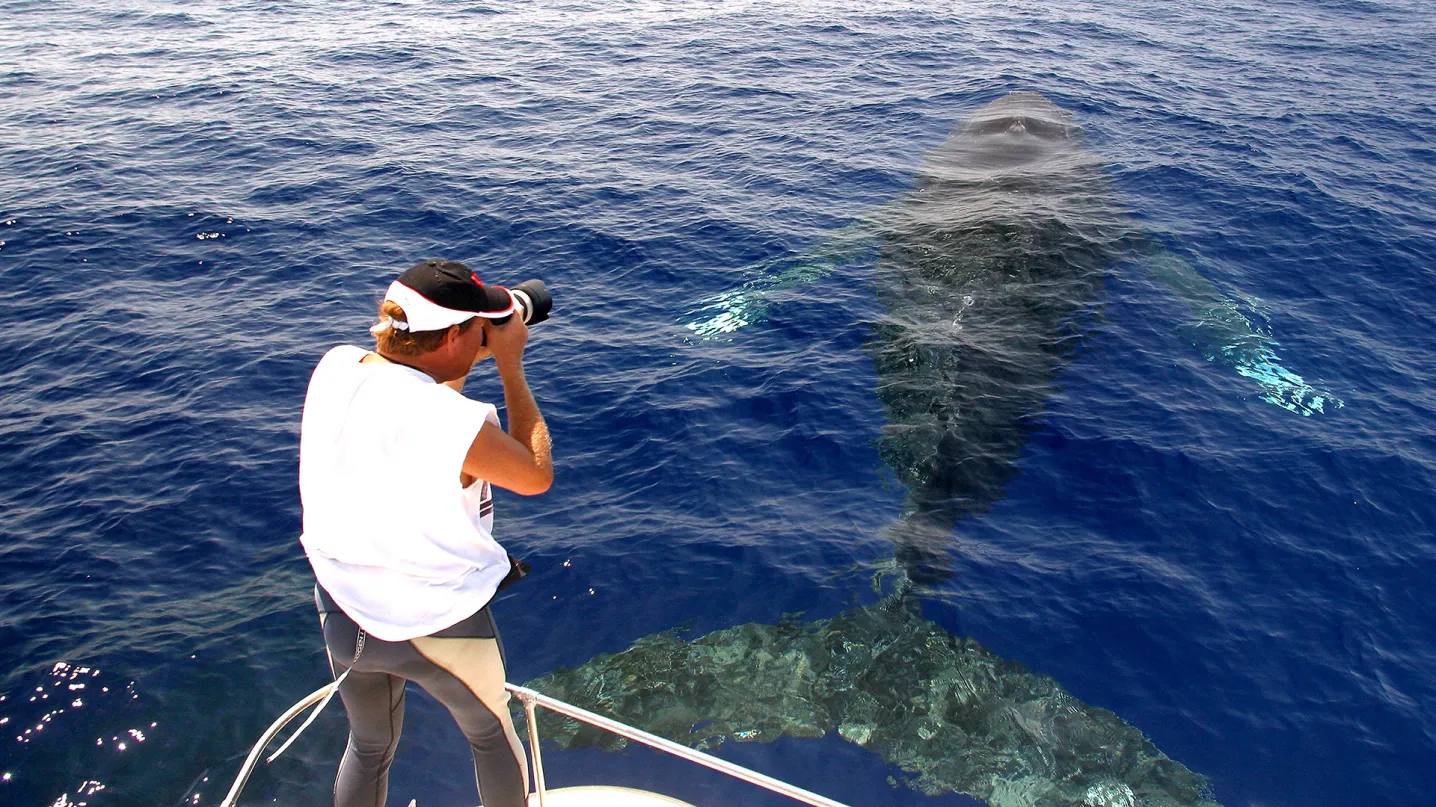
Each winter, humpback whales travel from Alaska to the warm, protected waters around Hawaii to breed, give birth, and nurse their calves. The season creates one of the most reliable wildlife experiences in the islands. Understanding the timing, the strongest viewing areas, and the types of boat tours available helps you plan a successful outing.
This guide covers the practical details so you can match your travel dates and preferred island with the right experience.
When Is Whale Season in Hawaii?
Humpback whales typically begin arriving in Hawaiian waters in November, with numbers building through December. The core season runs from mid-December through mid-April. Peak activity usually occurs from January through March, when the highest concentrations of whales are present and surface behaviors (breaches, pec slaps, tail throws) are most frequent.
By late April and early May, most whales have started the return migration north. Exact timing shifts slightly each year based on ocean conditions and individual whale movements, but the overall window remains consistent.
Best Viewing Areas by Island
Maui
The waters between Maui, Molokaʻi, and Lānaʻi (often called the Auʻau Channel) form one of the densest winter gathering areas for humpbacks in the North Pacific. Due to ongoing recovery efforts in Lahaina, many Maui tours have shifted operations primarily to Māʻalaea Harbor or Kāʻanapali Beach. The relatively calm, protected channel supports frequent close approaches and high sighting rates during peak months.
Oahu
Whale activity is strong along the west (Waiʻanae) coast and parts of the north shore. Tours commonly depart from Ko Olina, Honolulu Harbor, or Kewalo Basin. West-side morning trips often combine whale watching with coastal scenery and, in some cases, dolphin sightings.
Big Island (Hawaiʻi)
The Kona and Kohala coasts offer reliable viewing. Boats leave from Honokōhau Harbor and other west-side marinas. The deep water close to shore can produce dramatic surface activity.
Kauai
Viewing is possible along both the north and south shores, with tours operating from Port Allen, Kīkīaola, and other harbors. Numbers are generally lower than Maui’s peak concentrations but still rewarding during the height of the season.
Types of Boat Tours
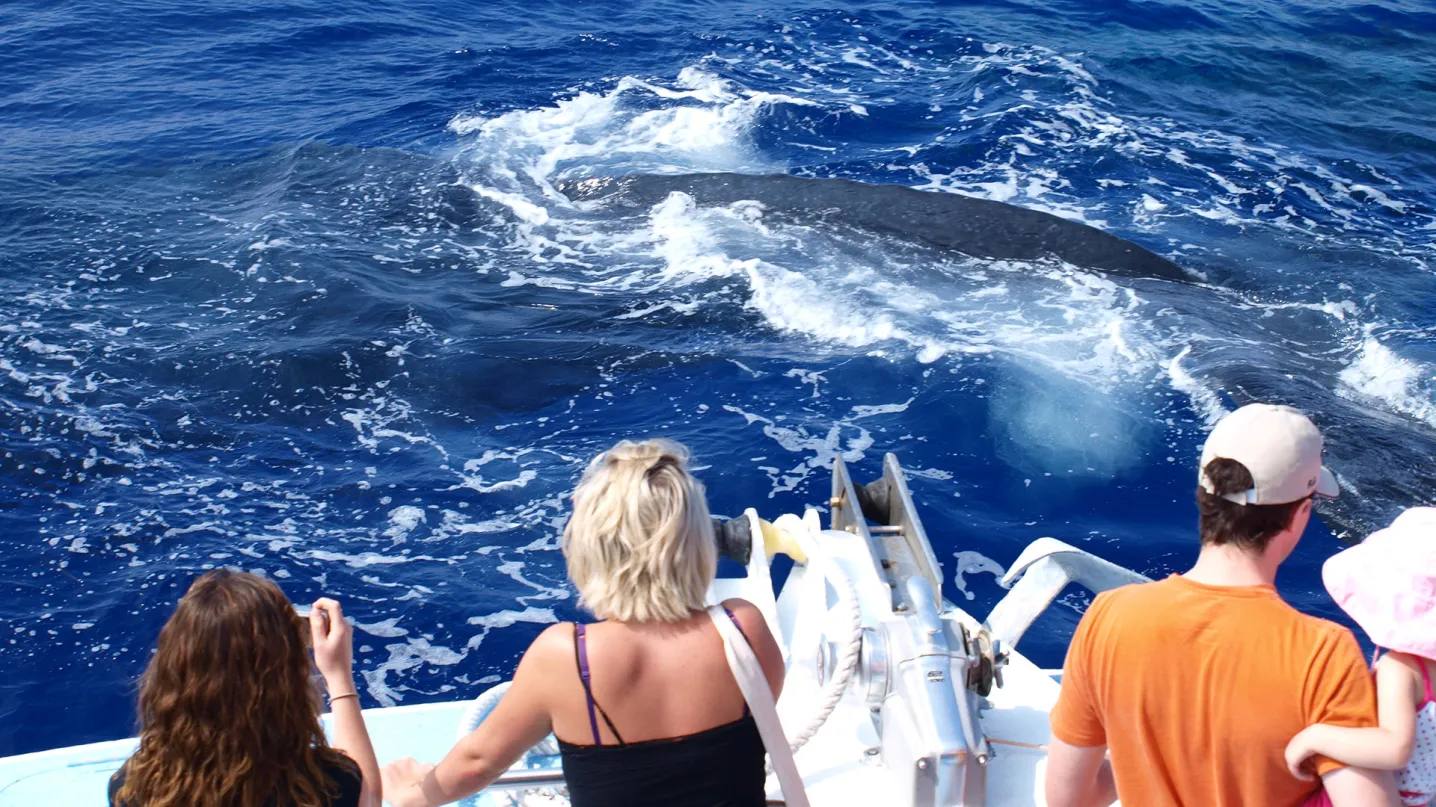
Most whale watches last 2 to 3 hours. Options range from large, stable catamarans with restrooms and covered seating to smaller rafts that offer a more intimate feel. Key features to compare include:
- Departure harbor and travel time from your hotel
- Whether the tour is dedicated to whales or combined with snorkeling or coastal sightseeing
- Guarantees or “whale check” policies (some operators offer a free return trip if no whales are seen)
- Onboard naturalist or interpretive narration
- Suitability for children or those prone to motion sensitivity
Morning departures often provide calmer seas and better light for photography. Afternoon trips can still be productive, especially in peak months.
Sample Season Timeline
| Period | Whale Activity Level | Notes |
|---|---|---|
| November – early December | Early arrivals | Numbers building; fewer tours operating |
| Mid-December – March | Peak | Highest density and surface activity |
| April – early May | Late season | Calves still present; numbers declining |
| Mid-May – October | Off-season | Most dedicated whale tours pause |
Booking Whale Watches Through LeaLea Tours
LeaLea Tours lists seasonal whale-watching experiences across the islands, with particular strength in Oahu west-coast departures and multi-island options that align with the winter calendar. Many West Oahu cruises that operate year-round for dolphin watching shift emphasis to humpbacks during the season, giving visitors a convenient way to combine coastal scenery with whale sightings.
Checking availability early is useful. Peak months (January–March) and weekends fill quickly, especially on Maui and popular Oahu departures. Packages that include hotel transportation reduce logistics, which is helpful when traveling with children or on a short stay.
Practical Tips for a Successful Trip
- Book in advance for peak-season dates.
- Choose a departure that matches your tolerance for motion and group size preference.
- Bring polarized sunglasses, a light jacket, and motion-sickness precautions if needed.
- Follow all guidelines given by the crew. Federal regulations protect humpback whales and limit how closely boats may approach.
- Morning trips generally offer smoother water and better lighting.
Whale watching in Hawaii is a seasonal highlight that rewards good timing and a reliable operator. Matching your travel dates to the peak window and selecting a tour that fits your group’s needs produces the strongest chance of memorable surface activity.
Frequently Asked Questions
When is the absolute best month for whale watching?
February and March typically deliver the highest concentrations and most consistent surface activity across the main islands.
Do I need to go to Maui to see whales?
No. Oahu, the Big Island, and Kauai all offer productive whale watching during the season. Maui simply has some of the densest concentrations.
Are whale watches suitable for young children?
Many larger catamarans are family-friendly and include restrooms and stable decks. Check the operator’s age or height guidelines before booking.
What if no whales are seen?
Some operators offer a complimentary return trip or rain-check policy. Confirm the specific terms when you book.
Can I see whales from shore?
Yes, especially from elevated lookouts on Maui and parts of the Big Island and Oahu. Boat tours generally provide closer and more consistent views.
How far in advance should I book?
For January–March travel, booking several weeks ahead is recommended, particularly for weekend or popular departure times.
Ready to See Humpback Whales in Hawaii?
Secure a seasonal whale-watch departure that fits your island and schedule. Browse current Oahu, Maui, and inter-island options through LeaLea Tours and lock in your preferred date while availability remains.
Visit lealeatours.com or call 808-218-6125 (open daily 8 AM–5 PM HST). Book your whale-watching experience now and make the most of the winter season.