
What is Mālama Hawaiʻi? How to Practice Regenerative Tourism on Your Vacation
Hawaii offers some of the most beautiful natural landscapes on the planet. Millions of visitors travel to the islands every single year to experience the pristine beaches and lush green mountains. This massive volume of human traffic places an enormous strain on the local ecosystem. Coral reefs suffer damage from chemical sunscreens. Hiking trails erode under the weight of constant foot traffic.
To combat this environmental degradation, the state introduced a movement called Mālama Hawaiʻi. The Hawaiian word “mālama” translates to “take care of” or “protect.” It represents a deep cultural obligation to preserve the land for future generations.
The Hawaii Visitors and Convention Bureau officially adopted this concept to reshape how tourists interact with the islands. They are asking visitors to move beyond standard vacations. They want travelers to actively participate in leaving the destination better than they found it. This guide explains exactly how you can integrate these cultural values into your upcoming Oahu itinerary.
The Shift from Sustainable to Regenerative Tourism
Understanding the Mālama Hawaiʻi campaign requires defining the difference between sustainable tourism and regenerative tourism. These two terms sound similar but represent entirely different approaches to travel.
Sustainable tourism focuses purely on damage control. A sustainable traveler tries to minimize their negative impact. They might reuse their hotel towels to save water. They stay on marked hiking trails to avoid crushing native plants. The ultimate goal of sustainable travel is maintaining the current baseline of the environment. You visit a place and try to leave no trace behind.
Regenerative tourism demands action. It operates on the belief that simply “doing no harm” is no longer sufficient. A regenerative traveler actively works to improve the destination. You do not just look at a beautiful beach. You spend two hours picking up microplastics from the sand. You do not just hike through a forest. You volunteer to pull invasive weeds and plant native trees. Regenerative tourism transforms you from a passive consumer into an active contributor.
Volunteering for Beach and Ocean Cleanups
The easiest way to practice Mālama Hawaiʻi involves protecting the local coastline. Marine debris constantly washes ashore on Hawaiian beaches due to global ocean currents. Local organizations rely heavily on volunteers to remove this plastic before it harms the local wildlife.
You can dedicate a single morning of your vacation to a beach cleanup. Organizations like Sustainable Coastlines Hawaii and the Surfrider Foundation host large-scale community cleanup events throughout the year. These events are highly organized. The organizers provide the gloves and trash bags. You simply show up and get to work.
If your travel dates do not align with a massive community event, you can still participate independently. Many local dive shops and surf schools offer DIY cleanup kits. You can grab a recycled feed bag from these locations and collect debris while you take your morning beach walk in Waikiki. Properly disposing of even a single handful of plastic protects the surrounding coral reef ecosystem.
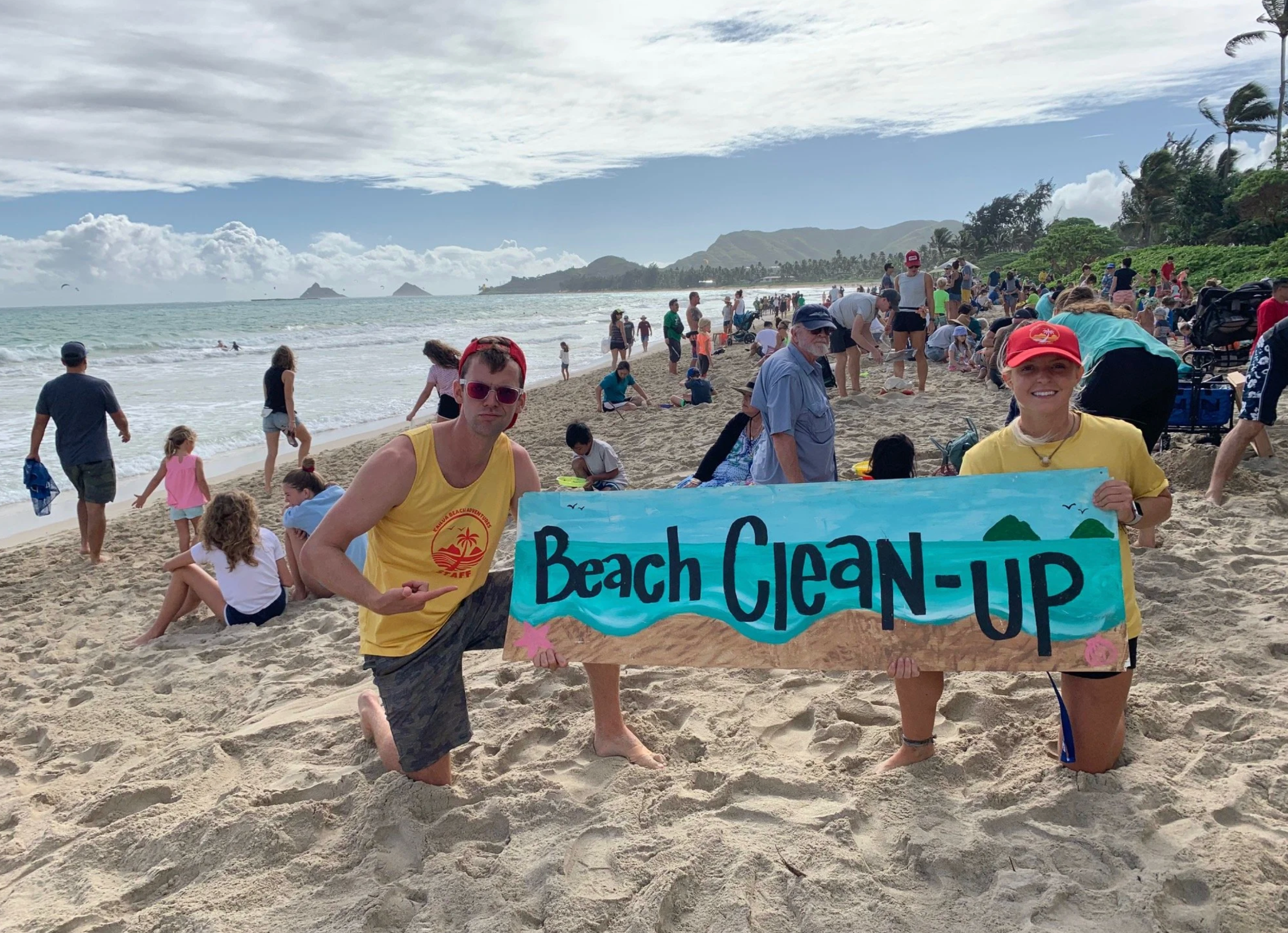
Participating in a beach cleanup actively removes harmful plastics from the fragile marine ecosystem Source: Kailua Beach Adventures
Respecting Hawaiian Wildlife and Protected Species
Your interaction with local wildlife directly reflects your commitment to the Mālama Hawaiʻi principles. Oahu serves as a critical habitat for several highly endangered marine species. Visitors frequently encounter these animals resting on popular beaches or swimming near popular snorkeling spots.
Federal and state laws strictly protect these animals. Approaching them closely causes severe stress. It disrupts their natural resting cycles. You must view them from a safe distance using the zoom function on your camera.
| Protected Marine Animal | Minimum Viewing Distance | Important Behavioral Rules |
|---|---|---|
| Hawaiian Monk Seal | 50 Feet (15 Meters) | Never block their access to the ocean. If a mother is with a pup, increase your distance to 150 feet. |
| Honu (Green Sea Turtle) | 10 Feet (3 Meters) | Do not hover directly over them in the water. Never touch or attempt to feed them. |
| Hawaiian Spinner Dolphins | 150 Feet (45 Meters) | Swimming with or actively pursuing these dolphins is entirely illegal under federal law. |
| Humpback Whales (Winter) | 300 Feet (91 Meters) | Applies to vessels and swimmers in the water during the winter migration season. |
If you see a resting monk seal or sea turtle on the sand, look for local volunteers. Organizations like Hawaii Marine Animal Response (HMAR) often set up temporary rope perimeters around the animals. You must always respect these visual boundaries.
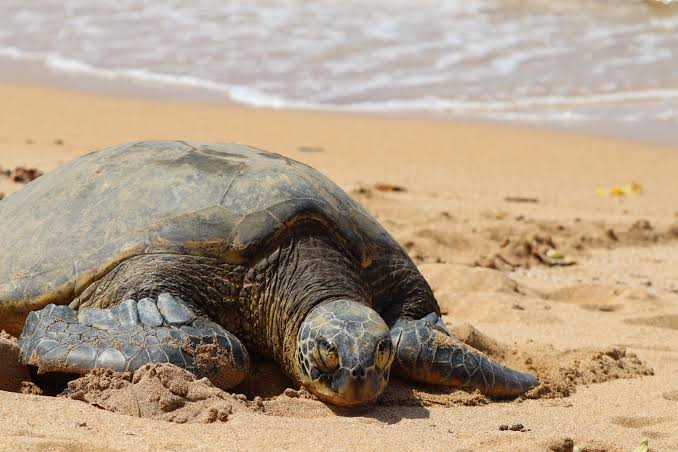
Always maintain a safe viewing distance when encountering protected Hawaiian marine life.. Source: Hawaiʻi Marine Animal Response
Participating in Reforestation and Land Restoration
The coastline is not the only ecosystem that needs protection. The inland forests of Oahu face constant threats from invasive plant species. Visitors can book specific tours that integrate land restoration directly into the itinerary.
Gunstock Ranch on the North Shore offers a dedicated Hawaiian Legacy Forest planting experience. Instead of just taking an ATV ride or a horseback tour, you actually purchase and plant a native Milo tree. You get to dig the hole in the soil. You place the sapling into the ground. The ranch tracks the tree with GPS technology. You can look online years later to see how your specific tree has grown. This action actively combats deforestation while offsetting the carbon footprint of your flight to Hawaii.
You can also visit historical sites that focus on cultural preservation. Waimea Valley manages a massive botanical garden on the North Shore. They frequently host volunteer workdays. Guests help clear invasive brush from ancient archaeological sites. This physical labor honors the Native Hawaiian ancestors who originally built the agricultural terraces in the valley.
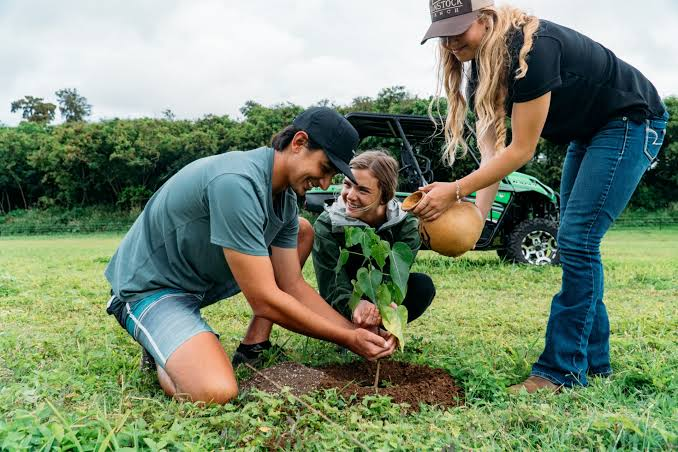
Planting native Hawaiian trees helps restore ancient forests and combat aggressive invasive species.. Source: Gunstock RanchEconomic Mālama: Supporting Local Agriculture
Practicing regenerative tourism involves economics. Where you choose to spend your vacation budget directly impacts the local community. Keeping your dollars on the island supports the families who actually live and work in Hawaii.
Prioritize locally owned businesses over massive multinational chains. Skip the imported grocery store fruit. You can buy directly from local farmers at the KCC Farmers Market every Saturday morning. Purchasing local papayas or 100% Kona coffee financially supports the island’s agricultural sector.
When you book excursions, look for companies owned by Native Hawaiians or long-term local residents. Eat at neighborhood restaurants in Kaimuki or Kapahulu instead of strictly dining at international chain restaurants in Waikiki. This conscious spending ensures the tourism industry actively benefits the local population.
Choosing Eco-Friendly Transportation
The way you move across the island affects the environment. Rental cars contribute significantly to local air pollution. They also create the massive traffic jams that frustrate local residents trying to commute to work.
You can instantly reduce your carbon footprint by navigating Honolulu without a rental vehicle. The public transit infrastructure easily connects you to the most popular destinations.
The LeaLea Trolley network operates extensive routes across the city. You can ride the open-air vehicles to Ala Moana Center or the Diamond Head Crater. Sharing transportation with other visitors drastically reduces the number of individual cars on the road. When you need to travel further outside the city, utilize group tour buses. A single passenger minibus removes up to fifteen rental cars from the fragile coastal highways.
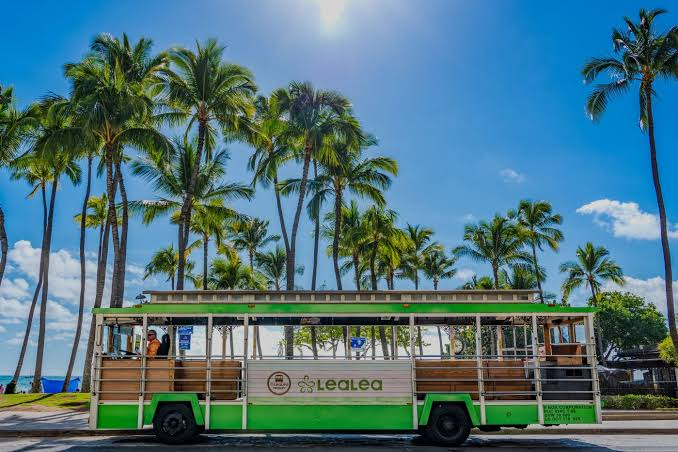
Riding the LeaLea Trolley reduces individual rental cars on the road and lowers your carbon footprint
Simple Daily Habits to Practice Mālama
You do not have to book a formal volunteer excursion to make a positive impact. You can incorporate the spirit of Mālama into your daily vacation routine through small behavioral changes.
Use Reef-Safe Sunscreen Hawaii passed strict legislation banning the sale of sunscreens containing oxybenzone and octinoxate. These chemicals cause massive coral bleaching. They mutate the DNA of marine life. Check your sunscreen label before you pack your bags. You must only use mineral-based sunscreens featuring non-nano zinc oxide or titanium dioxide.
Carry a Reusable Water Bottle Single-use plastic bottles severely pollute the islands. The local waste management facilities cannot process the massive volume of plastic generated by tourists. Bring a high-quality insulated water bottle from home. You can refill it at the water stations located inside your hotel lobby.
Respect the Kapu Signs While hiking or exploring the island, you will frequently see signs reading “Kapu.” This Hawaiian word translates to “forbidden” or “keep out.” These signs mark sacred cultural sites or highly dangerous geographical features. You must never cross a boundary marked with a Kapu sign for the sake of a photograph. Respecting these boundaries shows basic respect for the host culture.
Redefining Your Hawaiian Vacation
The Mālama Hawaiʻi movement asks you to rethink your relationship with travel. The islands are not simply a backdrop for vacation photos. They represent a fragile ecosystem and a deep cultural heritage.
Taking a few hours out of your schedule to pick up plastic on the beach provides a deep sense of personal fulfillment. Planting a native tree leaves a legacy that will outlast your trip. By supporting local farmers, respecting the wildlife, and utilizing shared transportation, you ensure Hawaii remains beautiful for generations to come.
Plan Your Regenerative Itinerary
You can reduce your vacation carbon footprint by leaving the rental car behind. Review the route maps and secure your transit passes on our LeaLea Trolley Page.
If you want to experience the natural beauty of the island with guides who respect and protect the land, book your seats on our Majestic Circle Island Eco Tour.