
Beyond the Beach: A Walking Tour of Honolulu’s Historic Chinatown and Its Hidden Courtyards
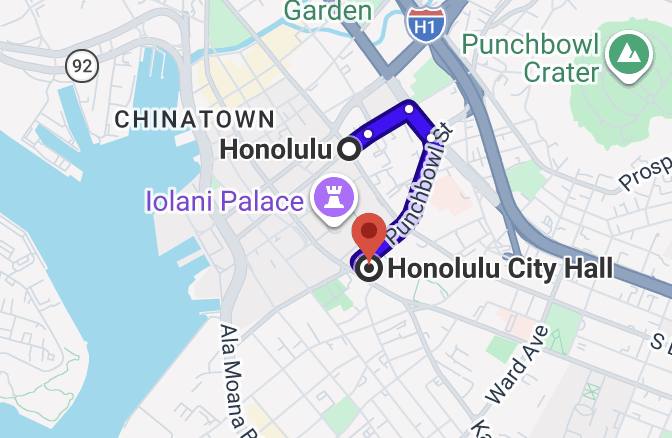
Waikiki’s shoreline draws most visitors to Oahu, yet just a few miles inland sits one of the oldest Chinatowns in the United States. Honolulu’s Chinatown Historic District, listed on the National Register of Historic Places in 1973, offers a compact, walkable window into more than 150 years of immigrant history, trade, and daily life.
Chinese laborers from Guangdong Province began arriving in the 1850s to work on Hawaii’s sugar plantations. Many later settled near Honolulu Harbor, creating a dense commercial and residential neighborhood. Two major fires reshaped the area: one in 1886 and a larger blaze in 1900 that was intentionally set to combat bubonic plague and destroyed roughly 38 acres. The community rebuilt quickly in brick and masonry, which still defines much of the streetscape today.
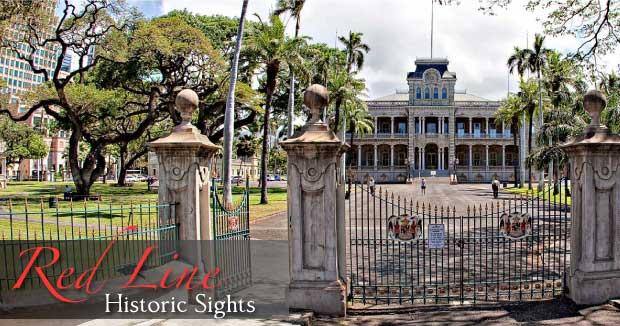
A self-guided walking tour lets you move at your own pace through markets, temples, galleries, and quiet courtyards that most beach-focused itineraries never reach. Comfortable shoes, water, and an early start help you avoid midday heat.
Getting There Without a Car
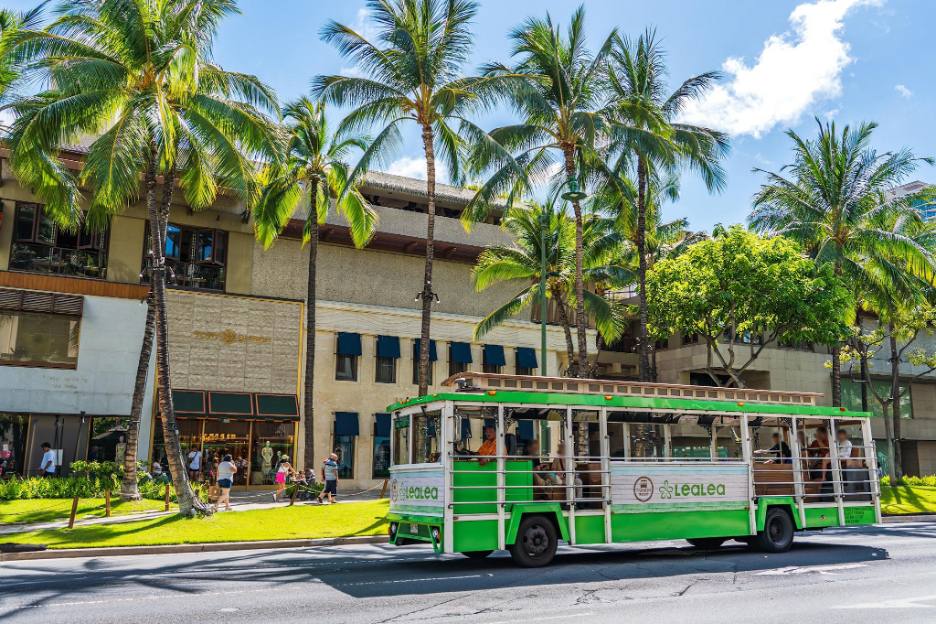
From Waikiki, the easiest option is public transit or the hop-on hop-off service available through LeaLea Tours. The Malama Waikiki Trolley’s Historic Honolulu Line (former Red Line) stops near Foster Botanical Gardens, Izumo Taisha, Chinatown, Iolani Palace and the Bishop Museum. Downtown Honolulu, and the Hawaii Theatre. This line runs four times a day approximately every hour and connects directly with popular Waikiki points.
You can also take TheBus routes 2 or 20 toward downtown and alight near North Hotel Street and Maunakea Street. Once you arrive, the core of Chinatown is compact enough that most visitors cover the main sights in 1.5 to 3 hours of walking.
A Practical Walking Route
Begin at the intersection of North Hotel and Maunakea streets. Hotel Street carried a lively, sometimes rough reputation during World War II, when sailors filled its bars and shops. Today it forms part of the Arts District, with galleries and smaller storefronts.
Walk along Maunakea Street toward King Street. Lei stands line the sidewalks here, stringing fresh pikake, tuberose, and orchid leis throughout the day. Continue to the corner of King and Kekaulike for the open-air Oahu Market, established in 1904. Vendors sell fresh fish, produce, dried seafood, and ingredients used in Chinese, Filipino, Vietnamese, and Hawaiian cooking. The adjacent Kekaulike Market and Maunakea Marketplace expand the selection with prepared foods and additional produce stalls.
Cross to the River Street Pedestrian Mall along Nuuanu Stream. Locals gather here to play mah-jongg and checkers under the shade trees. The statue of Dr. Sun Yat-sen stands nearby; the revolutionary leader of modern China studied in Honolulu as a young man.
From the mall, a short walk reaches two important religious sites. The Izumo Taishakyo Mission of Hawaii, a Shinto shrine built in 1923, features a distinctive green-tiled roof. A block farther on Vineyard Boulevard sits the Kuan Yin Temple, one of the oldest Chinese temples in the islands, dedicated to the Bodhisattva of compassion. Visitors are welcome to enter quietly and observe, though photography inside is generally discouraged.
Continue toward the Hawaii Theatre on Bethel Street. Opened in 1922 and known as the “Pride of the Pacific,” the restored venue still hosts performances. Nearby, the Arts at Marks Garage anchors the contemporary arts scene with rotating exhibitions and community events, especially lively on First Fridays.
Hidden Courtyards and Quiet Corners
Many of Chinatown’s older buildings were constructed with rear courtyards that once held cooking sheds and latrines. Several of these spaces remain accessible or partially visible today.
The Chinatown Cultural Plaza contains an open-air courtyard with a statue of Kuan Yin where residents sometimes light incense. The Mendonca Building on Smith Street has a courtyard that has hosted art events and gatherings. Maunakea Marketplace also features an internal courtyard area with additional vendor stalls and seating. These quieter pockets offer a contrast to the busy main streets and reveal how the neighborhood once functioned as a self-contained community.
Foster Botanical Garden sits just beyond the northern edge of Chinatown. The 14-acre garden includes rare tropical trees, some dating to the mid-19th century, and provides a calm green break after the denser streets.
Suggested Stops at a Glance
| Stop | Location | What You’ll See | Approximate Time |
|---|---|---|---|
| Maunakea Street Lei Stands | Maunakea St. | Fresh flower leis, local vendors | 10–15 min |
| Oahu Market & Kekaulike Market | King & Kekaulike | Produce, seafood, prepared foods | 20–30 min |
| River Street Pedestrian Mall | Along Nuuanu Stream | Mah-jongg players, Sun Yat-sen statue | 10–15 min |
| Izumo Taishakyo Mission | N. Kukui St. | Shinto shrine architecture | 10–15 min |
| Kuan Yin Temple | N. Vineyard Blvd. | Buddhist temple, courtyard | 10–15 min |
| Hawaii Theatre | Bethel St. | Historic theater exterior | 5–10 min |
| Arts at Marks Garage | Nearby galleries | Contemporary local art | 15–30 min |
Combining Chinatown with Other LeaLea Tours Experiences
Many visitors pair a morning in Chinatown with a broader historic itinerary. LeaLea Tours offers the LeaLea Waikiki Trolley Hop-On Hop-Off service, whose Historic Honolulu Line includes Chinatown, Foster Botanical Gardens, and nearby civic landmarks.
Pearl Harbor tours available through LeaLea often include a drive through Historic Downtown Honolulu on the return to Waikiki, giving additional context for the same neighborhood. For a full-day island overview that still leaves room for an independent Chinatown walk, consider the Majestic Circle Island Eco Tour, which covers Oahu’s key scenic and historic sites with convenient hotel pick-ups.
If you prefer a guided introduction to Chinatown itself, the Hawaii Heritage Center offers food, history, and culture walking tours on Wednesday and Friday mornings. These tours start at their gallery on Smith Street and typically last about two hours.
Practical Tips for Your Visit
- Visit on a weekday morning for the liveliest market activity and fewer crowds.
- Bring cash for smaller market stalls and lei sellers; many accept cards, but not all.
- Respect temple etiquette: remove hats, speak quietly, and follow any posted rules.
- Watch your step on uneven sidewalks and stay aware of your surroundings, as in any urban area.
- First Friday evenings transform the neighborhood with open galleries, music, and street energy if you want a different atmosphere.
Chinatown rewards slow exploration. Its brick facades, market stalls, and tucked-away courtyards show a side of Honolulu that exists well beyond the beach. Whether you arrive by trolley, bus, or on foot from downtown, the district offers a concentrated look at the layers of culture that have shaped modern Oahu.
For more ways to experience Honolulu’s history and natural highlights, explore the full range of Oahu tours and activities available through LeaLea Tours.
Frequently Asked Questions
Is Chinatown safe for tourists walking alone?
Chinatown is a busy urban neighborhood. Most visitors explore without incident during daylight hours. Stay on main streets, keep valuables secure, and use normal city awareness. Evenings, especially First Fridays, bring more people and energy.
How long does a self-guided walking tour take?
Most people spend 1.5 to 3 hours covering the core markets, temples, and a few courtyards. Add extra time if you stop for a full meal or visit Foster Botanical Garden.
Are there restrooms available?
Public facilities are limited. Markets, larger restaurants, and nearby civic buildings offer the most reliable options. Plan accordingly.
Can I visit the temples?
Yes. Both the Kuan Yin Temple and Izumo Taishakyo Mission welcome respectful visitors. Follow posted guidelines and avoid disrupting worship.
Is the area accessible for visitors with limited mobility?
Sidewalks can be uneven and some older buildings have steps. The main market areas and River Street Mall are relatively flat. The trolley drop-off points help reduce walking distance.
What is the best way to reach Chinatown from Waikiki without a rental car?
The LeaLea Waikiki Trolley’s Malama Historic Honolulu Line or TheBus routes 2 and 20 provide straightforward access. Check current schedules through LeaLea Tours or TheBus website.
Ready to Explore Honolulu Beyond the Beach?
Skip the guesswork and make the most of your time on Oahu. Book the convenient LeaLea Waikiki Trolley Hop-On Hop-Off pass through LeaLea Tours and hop off directly near Chinatown, Foster Botanical Gardens, and other historic stops. Physical passes are required for boarding. If purchasing your pass online, make room in your schedule to pick up your pass at the LeaLea Lounge on the 3rd floor of the Royal Hawaiian Center. Prefer a full-day guided experience? Reserve the popular Majestic Circle Island Eco Tour or one of our Pearl Harbor itineraries that include Historic Downtown Honolulu.
Visit lealeatours.com today to check real-time availability, secure your preferred date, or speak with our local team at 808-218-6125 (open daily 8 AM–5 PM HST). Your Hawaii adventure is only a few clicks away. Book now and discover the island’s deeper stories with confidence.