
Visit Hawai‘i Volcanoes National Park Where Fire Shapes the Land
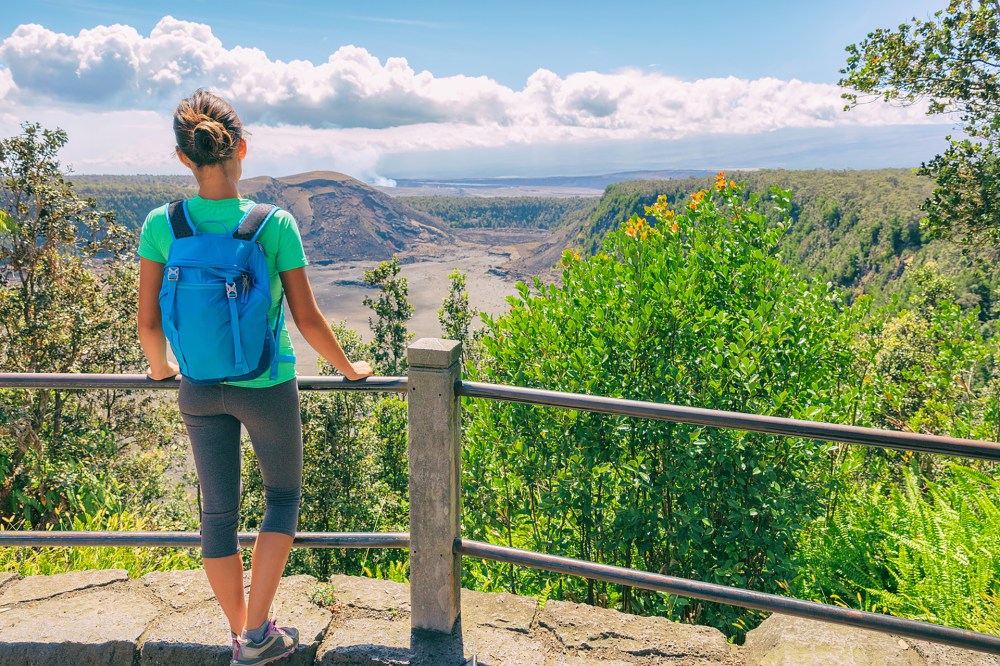
Hawai‘i Volcanoes National Park is the crown jewel of the Big Island. It is an awe‑inspiring, ever‑changing landscape where fire, earth, and sky meet in dramatic harmony. Home to two of the world’s most active volcanoes, Kīlauea and Mauna Loa, this park offers a front‑row seat to the powerful geological forces that continue to shape the Hawaiian Islands. With over 500 square miles of volcanic terrain, rainforests, craters, lava tubes, and rugged coastline, it is one of the most unique and unforgettable destinations in all of Hawai‘i.
A Living, Breathing Landscape
Unlike most national parks, Hawai‘i Volcanoes is never the same from one year to the next. Lava flows reshape the land. Steam vents open and close. Craters deepen, collapse, or refill. This constant evolution is what draws millions of visitors, which begs the question: where else can you walk on land younger than you are?
Kīlauea: One of the World’s Most Active Volcanoes
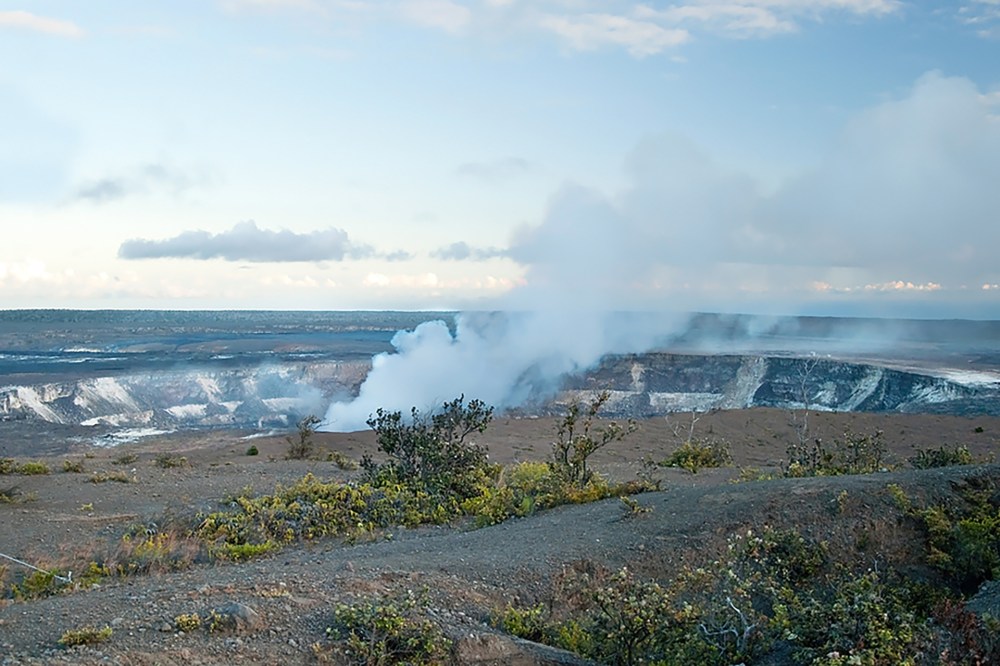
Kīlauea has been erupting on and off for decades, making it the star of the park. Its summit crater, Halema‘uma‘u, is sacred in Hawaiian culture as the home of Pele, the goddess of fire and volcanoes. Even when lava isn’t visible, you can feel the volcanic energy in the steam plumes, sulfur vents, and heat radiating from the earth beneath your feet.
Mauna Loa: The Giant of Hawai‘i
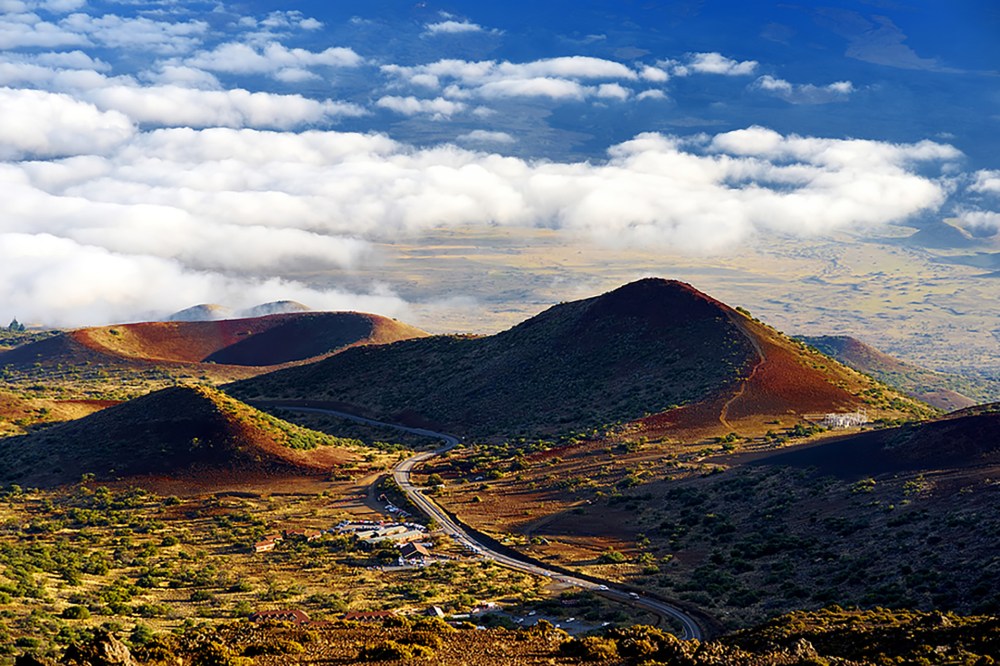
Mauna Loa, the largest volcano on Earth by volume, last erupted dramatically in 2022, though smaller lava flows have occurred this year. Its immense presence dominates the park’s landscape. Although eruptions are infrequent, the trails, lava fields, and viewpoints around Mauna Loa reveal the scale and power of this mountain.
Iconic Things to See and Do

Hawai‘i Volcanoes National Park is filled with bucket‑list experiences:
- Kīlauea Overlook
A sweeping, panoramic view of the crater. On clear days, you can see layers of volcanic history etched into the crater walls. - Crater Rim Drive
One of the most scenic drives in Hawai‘i, offering stops at sulfur vents, overlooks, lava fields, and historic sites. - Thurston Lava Tube (Nāhuku)
Walk through a massive prehistoric lava tube formed by molten lava that once rushed beneath the earth’s surface. Lush rainforest surrounds the entrance, creating a stunning contrast. - Chain of Craters Road
A dramatic 18‑mile road that descends from the high summit region all the way to the rugged southern coastline. Along the way are ancient lava flows and views that feel almost lunar. - Holei Sea Arch
Where molten lava once met the sea, creating a towering lava arch being slowly eroded by the ocean. - Devastation Trail
A short, paved path through a haunting landscape of ash and cinder from the explosive 1959 eruption of Kīlauea Iki.
Hiking in the Park

There are trails for every level, from easy rainforest walks to challenging crater treks:
- Kīlauea Iki Trail: A hike into a crater where you can walk across a cooled lava lake.
- Sulphur Banks (Ha‘akulamanu): A fascinating boardwalk through steaming sulfur vents.
- Mauna Ulu: A surreal hike across an expansive lava field with sweeping views.
A Deeply Sacred Place
Hawai‘i Volcanoes is more than just geology. It is a place of cultural and spiritual significance to Native Hawaiians. Craters, flows, and vents are tied to legends of Pele and the creation of the islands. Visitors are encouraged to treat the land with respect, stay on marked trails, and honor all cultural sites.
When to Visit
The park is open 24 hours a day, allowing for sunrise and stargazing. Clear nights reveal breathtaking views of the Milky Way, thanks to the park’s high elevation and near‑zero light pollution.
Tips for a Great Visit
- Bring layers! The weather ranges from hot lava fields to cold summit winds.
- Pack water and snacks; services inside the park are limited.
- Check the volcano updates on the National Park website as conditions change often.
- Start early to avoid crowds on the most popular trails.
- Never walk on closed lava fields; volcanic gas and unstable ground can be dangerous.
A Place Like No Other
Hawai‘i Volcanoes National Park is a rare window into the earth’s heartbeat. It’s a place where creation and destruction happen side by side, where ancient legends come alive, and where the raw power of nature humbles everyone who steps onto its volcanic soil.
It’s not just a stop on a Big Island itinerary. It’s an encounter with the forces that built Hawai‘i itself.
Whether you come to hike, sightsee, stargaze, or learn about the island’s living geology, one thing is certain: The experience will stay with you long after you’ve left the rim of the crater.