
Swimming with Manta Rays: What to Expect on Kona’s Night Snorkel Tours
The idea of jumping into the Pacific Ocean in the pitch black of night sounds like the beginning of a thriller movie. For many visitors, the thought of dark water triggers instant anxiety. However, just off the coast of Kailua-Kona on the Big Island of Hawaii, the darkness reveals one of the most breathtaking underwater ballets on the planet.
The Kona manta ray night snorkel consistently ranks as one of the top aquatic encounters in the world. It is an experience that cannot be replicated in an aquarium or safely executed on most other coastlines.
If you are traveling to the Big Island, this excursion should be at the absolute top of your itinerary. But it is completely normal to have reservations about night snorkeling. This guide breaks down exactly how the tour works, the science behind the spectacle, and why you are completely safe in the water with these majestic “gentle giants” of the sea.
Why Do We Snorkel at Night?
Manta rays live in the waters around Hawaii year-round, but finding them during the day is a game of pure luck. They constantly cruise the open ocean looking for food. So why are they so reliably found along the Kona coast after the sun goes down?
The secret lies in the lights.
Decades ago, oceanfront hotels in Kona shined massive floodlights into the surf to illuminate the water for their guests. This light attracted massive swarms of microscopic plankton. Manta rays are filter feeders, and their entire diet consists of this tiny plankton. The rays quickly learned that the hotel lights created an all-you-can-eat midnight buffet.
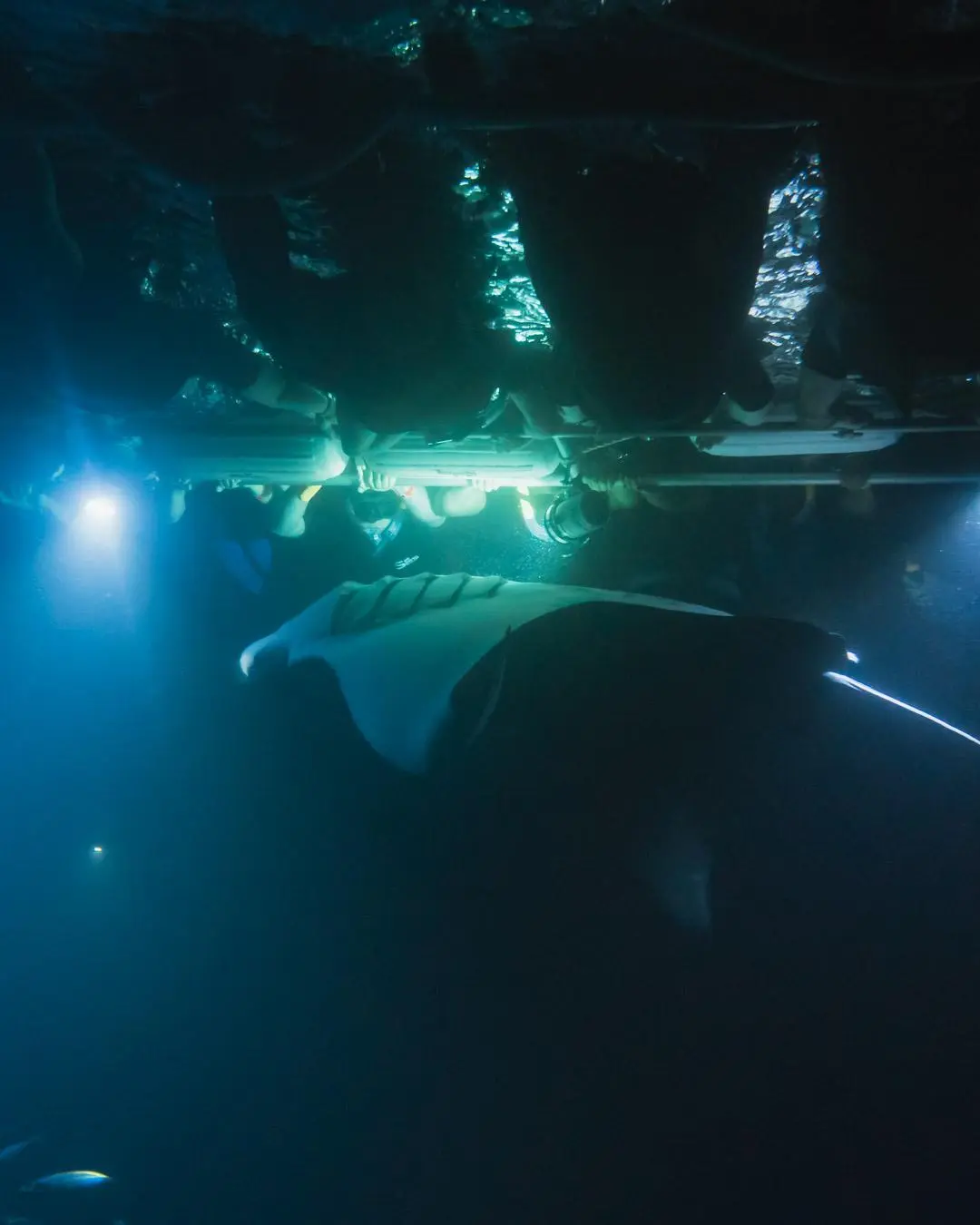
Underwater lights attract the microscopic plankton that manta rays feed on. Source: Sea Paradise; Evening Manta Ray Snorkel Tour
Today, professional tour operators replicate this effect. By bringing custom-built, floating light boards into specific coves (primarily Keauhou Bay and Makako Bay), they safely and naturally attract the plankton, which in turn brings the manta rays right to the snorkelers.
Are Manta Rays Dangerous?
This is the most common question—and the biggest point of anxiety—for first-time guests. When you hear the word “ray,” your brain likely pictures the stingray that famously injured Steve Irwin.
Manta rays do not have stingers. They have no teeth, no barb, and no venom. They are completely harmless to humans. Their only defense mechanism against predators in the wild is their swimming speed.
They are incredibly large—Kona mantas can have wingspans stretching up to 16 feet across—but they are highly intelligent and remarkably spatial. They will swim within inches of your face, yet they possess the agility to turn at the very last second without ever touching you.
The Experience: Step-by-Step
Understanding the logistics of the tour helps eliminate the fear of the unknown. Here is exactly what happens when you book a night snorkel excursion.
1. The Sunset Cruise
Most tours depart the harbor just before sunset. You get to enjoy a beautiful, scenic boat ride along the volcanic Kona coast as the sky turns orange and pink. The crew will use this time to fit you with a sanitized snorkel mask and a wetsuit top (the ocean gets chilly at night).
2. Entering the Water
Once darkness falls, the captain navigates to the “manta village.” The crew places a large, floating surfboard equipped with downward-facing LED lights into the water. You slide off the back of the boat and swim a few yards over to this board.
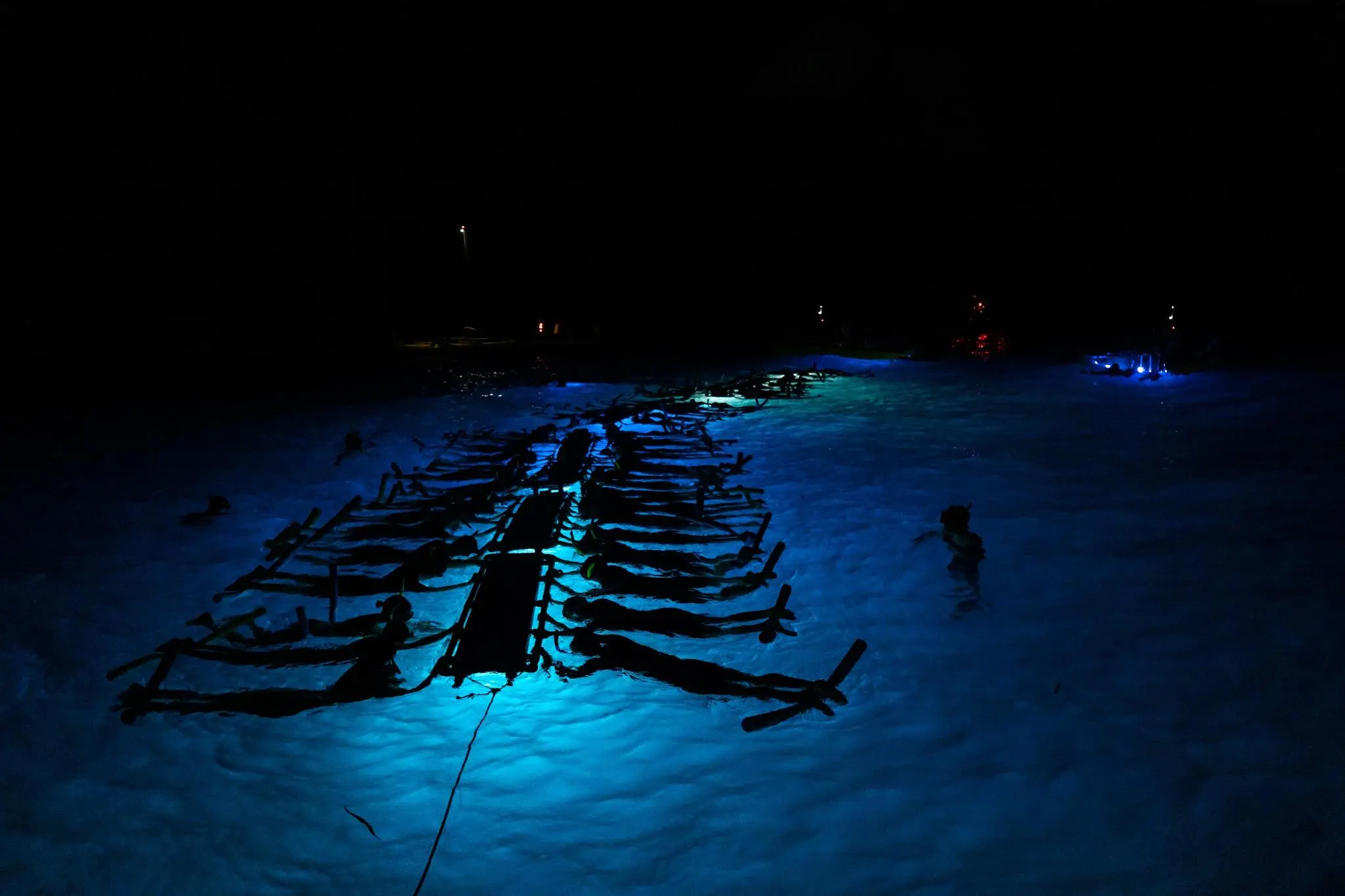
Snorkelers hold onto a floating light board that illuminates the water below. Sea Paradise; Evening Manta Ray Snorkel Tour
3. The Float
You do not actually swim during this tour. You simply hold onto the handles of the floating light board, lay flat on your stomach, and put your face in the water. Your only job is to float and breathe through your snorkel tube. Because you are holding onto a buoyant board, even weak swimmers can easily participate.
4. The Manta Ballet
As the lights attract the plankton, the manta rays arrive. They swim up from the dark depths, their massive white underbellies reflecting the LED lights. To feed, they perform a series of continuous, graceful backward somersaults right beneath your fins. They scoop the plankton into their massive, cavernous mouths. It is an awe-inspiring, silent performance that feels entirely surreal.
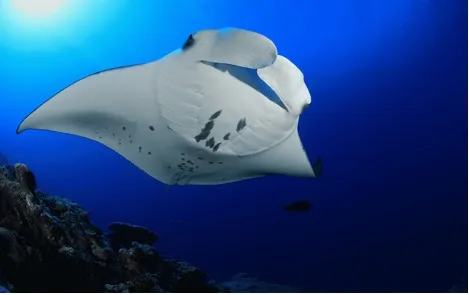
Manta rays perform continuous backward somersaults to funnel plankton into their mouths. Sea Paradise; Evening Manta Ray Snorkel Tour
Essential Rules for the Water
To protect these incredible animals, all tour operators enforce a strict set of rules known as the Manta Ray Green Guidelines.
- Do Not Touch: You must never reach out and touch a manta ray, even if they swim incredibly close to you. Touching them removes the protective mucus coating on their skin, leaving them highly vulnerable to deadly bacterial infections.
- Keep Your Legs Flat: You will be provided with a pool noodle to place under your ankles. This forces your legs to float parallel to the surface. If you let your legs dangle down, a feeding manta ray might accidentally bump into you.
- Use Reef-Safe Sunscreen: Even though it is a night tour, you might have applied sunscreen earlier in the day. Ensure you only use mineral-based, reef-safe products to protect the ocean’s delicate chemical balance.
Preparing for Your Manta Encounter
Swimming with manta rays is an incredibly popular activity, and boats have strict Coast Guard capacity limits. You must book your tour weeks in advance, especially if you are traveling during the busy summer months or the winter holiday season.
Because the Big Island is massive, pay close attention to the departure harbor. Most tours leave from Honokohau Harbor or Keauhou Bay. If you are staying on the Kohala Coast (Waikoloa), factor in a 45-minute to one-hour drive to reach the boat on time.
Top-Rated Kona Manta Ray Tours with LeaLea
LeaLea Tours partners with the absolute best, most experienced operators on the Big Island to ensure your safety and maximize your chances of a great encounter. You can book these specific experiences directly through our platform:
1. Sea Paradise Evening Manta Snorkel Tour
Sea Paradise is an original pioneer of the manta ray tour, having guided guests safely since 1985. You will sail aboard the Hoku Nui, a spacious and incredibly stable 50-foot sailing catamaran departing from Keauhou Bay. They offer two tour times nightly, and the crew serves hot cocoa and snacks on deck after you finish your 45-minute water session.
- Book it here: Sea Paradise Manta Ray Snorkel
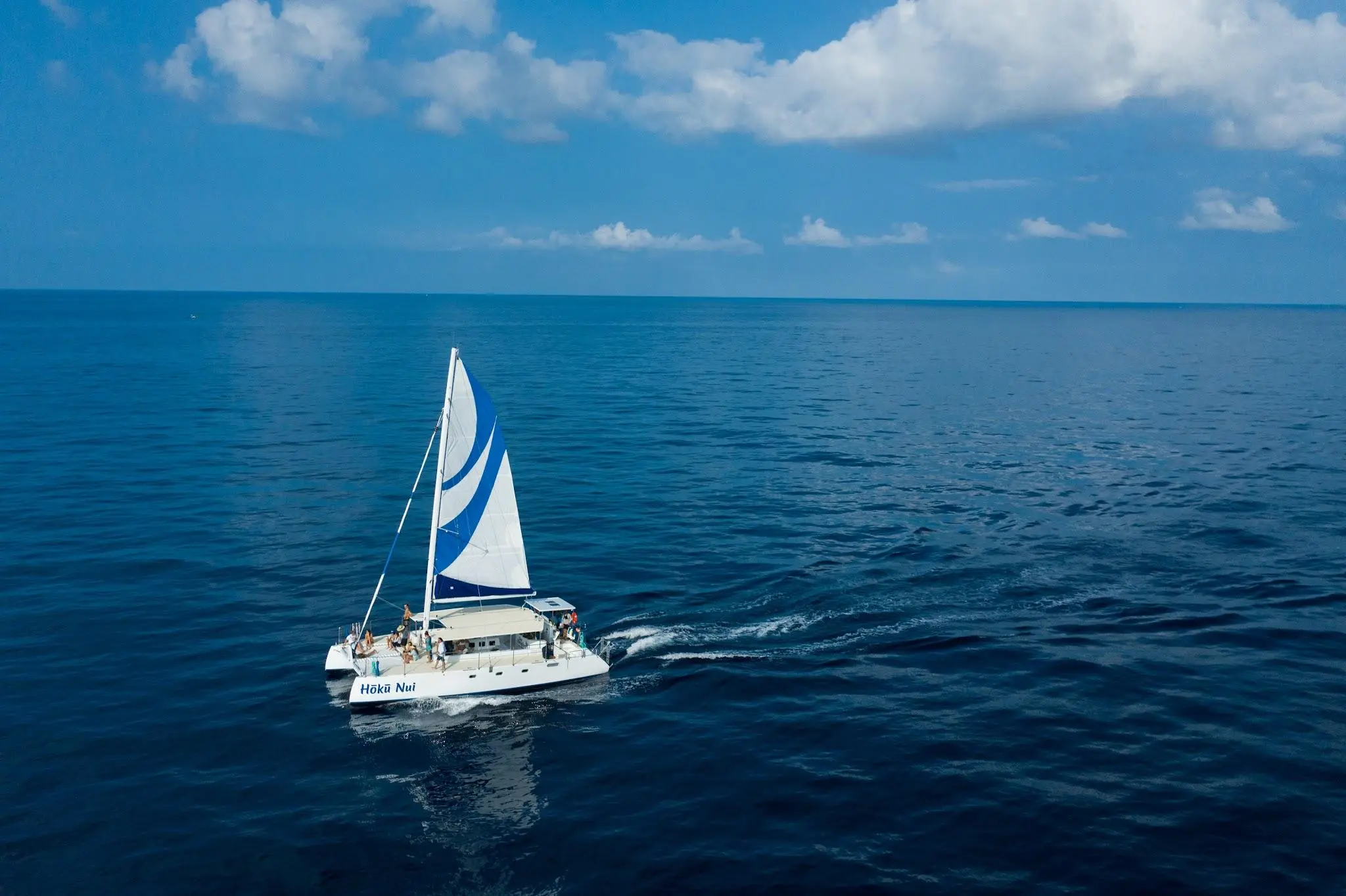
The Hoku Nui catamaran offers a spacious and stable ride to the manta ray village.. Source: Sea Paradise
Book Your Big Island Adventure
Do not miss the opportunity to witness the ocean’s most graceful giants in their natural habitat. For a seamless, safe, and professional experience, let our experts handle your itinerary.
Explore our vetted recommendations and secure your spot on the water by visiting our LeaLea Tours Big Island Activities Page.
2. Manta Ray Night Snorkel with Sunset Cruise (Iruka Kona)
If you want to combine the snorkel with a scenic boat ride or need transportation from the major resort areas, Iruka Kona is an excellent choice. You travel aboard their luxury vessel KIBOU out of Honokohau Marina. They offer an incredible “Manta Guarantee”—if you do not see manta rays during your excursion, you can book again for another night completely free of charge! You can choose the early departure (which includes a spectacular sunset cruise) or opt for the later moonlight snorkel.
- Book it here: Iruka Kona Manta Ray Snorkel
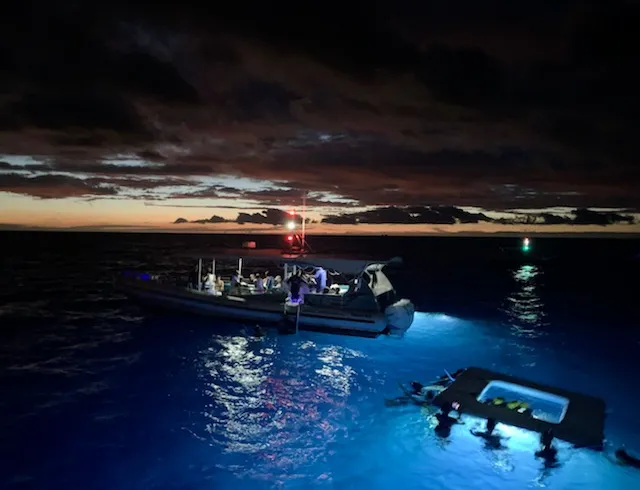
Booking an early evening tour allows you to combine your snorkel with a spectacular Kona sunset. Source: Iruka Hawaii; Manta Ray Night Snorkel with/without Sunset Cruise
3. Aloha Kona Tours (Private Charter)
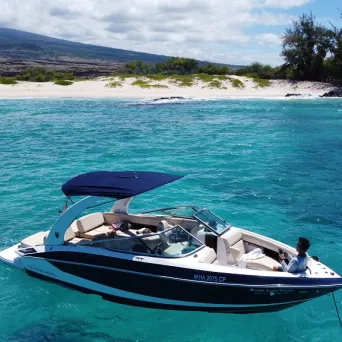
If you are traveling with a family or a small group of up to 6 people and want an exclusive, VIP experience, booking a private charter is the ultimate way to go. You get the boat, the captain, and the water session completely to yourselves, allowing for a highly personalized and intimate encounter with the mantas.
- Email us to book this private experience: [email protected]
Book Your Big Island Adventure
Do not miss the opportunity to witness the ocean’s most graceful giants in their natural habitat. For a seamless, safe, and professional experience, let our experts handle your itinerary.
Explore all of our vetted recommendations and secure your spot on the water by visiting our full https://lealeatours.com/hawaii-package-tours/